JK Skirting
Introduction
Skirting is an essential architectural and interior design element used in both residential and commercial spaces. It refers to a strip or board that runs along the bottom of an interior wall, covering the joint between the wall surface and the floor. While often considered a minor detail in construction, skirting plays a crucial role in enhancing aesthetics, protecting walls, and contributing to the overall functionality of a space. Historically, skirting was primarily used to hide construction imperfections and prevent damage from furniture and cleaning tools. However, in modern times, it has evolved into a decorative feature available in a variety of styles, materials, and finishes to complement different interior themes.
The importance of skirting extends beyond mere decoration. It serves as a barrier against dirt, moisture, and impacts that could potentially damage walls. Moreover, skirting can be used to conceal unsightly wiring and cables, providing a cleaner and more organized appearance. As architectural trends continue to evolve, skirting has become an integral component in contemporary and classical designs alike, offering both functional and aesthetic benefits.
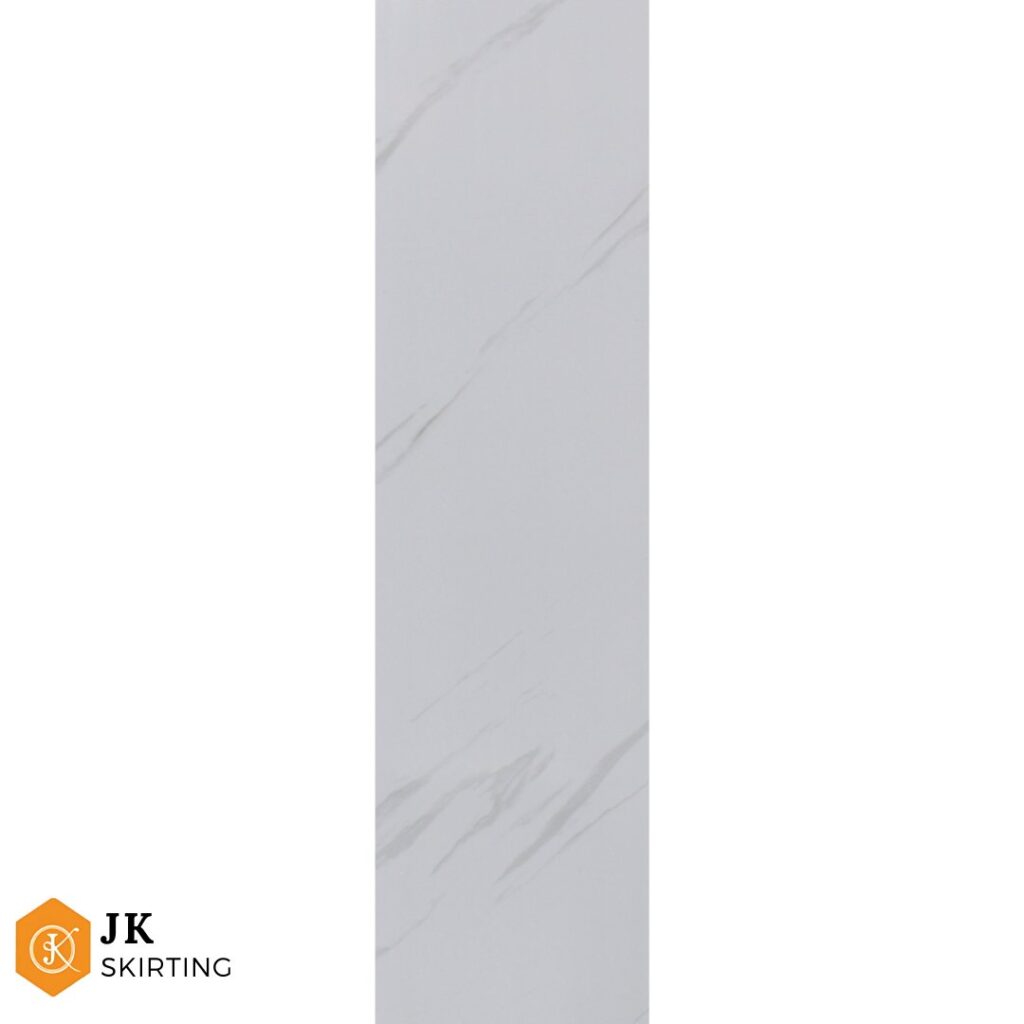
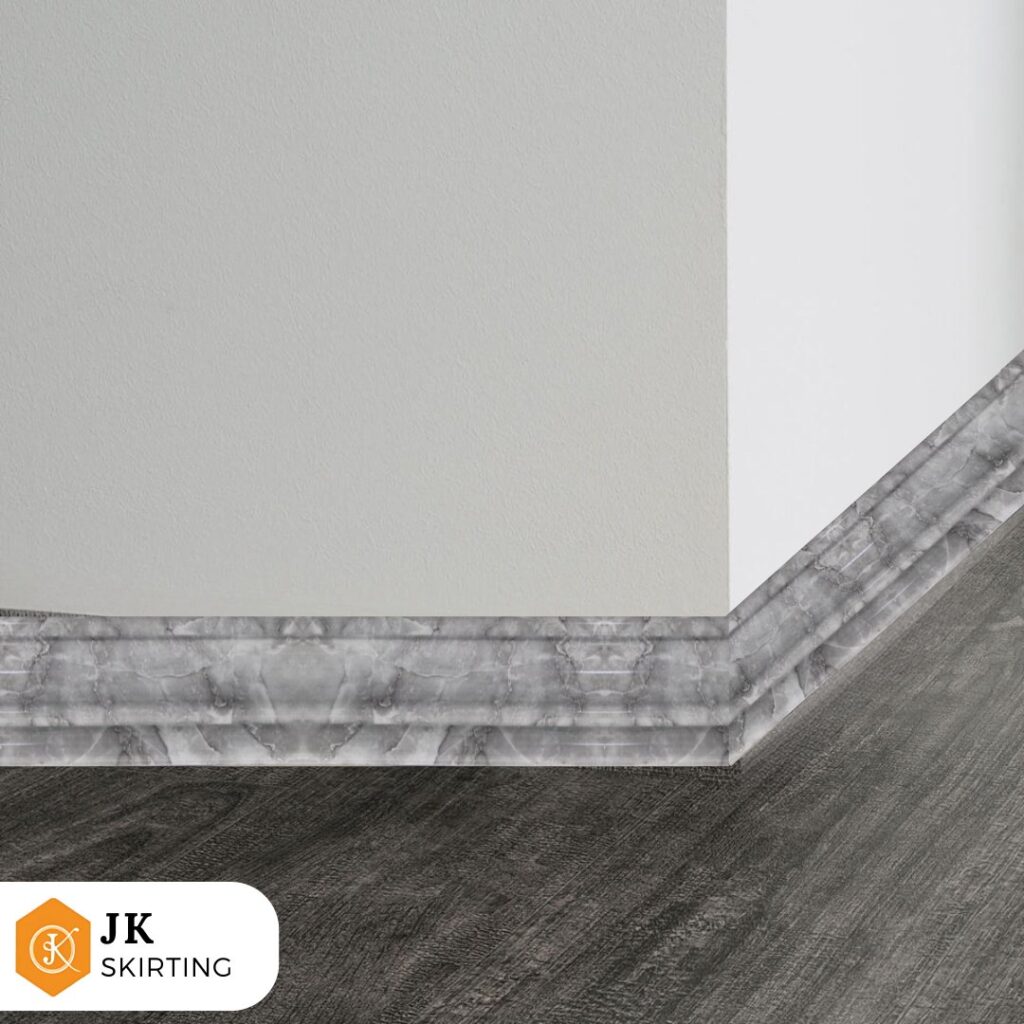
Purpose of Skirting
Skirting serves multiple functional and aesthetic roles in interior design. It is an essential architectural feature that enhances the overall appearance of a space while offering protection and practical benefits. Below are the primary purposes of skirting in detail:
1. Aesthetic Appeal
One of the main reasons for installing skirting is to improve the visual appeal of a room. Skirting provides a smooth transition between walls and floors, creating a polished and refined look. Without skirting, the junction between the wall and the floor may appear unfinished or unattractive.
- Enhancing Interior Design: Skirting comes in various designs, colors, and materials, allowing homeowners and designers to complement the overall décor style—be it modern, classic, or industrial.
- Creating a Decorative Element: Intricate skirting designs, such as carved wood or patterned MDF skirting, can act as an additional design feature in a space.
- Providing Visual Balance: Skirting helps balance the proportions of a room, ensuring that walls and floors appear harmoniously connected.
2. Wall Protection
Skirting acts as a protective barrier between the wall and external elements, reducing the risk of damage. Walls, especially in high-traffic areas, are prone to scuff marks, dents, and scratches from furniture, foot traffic, and cleaning tools.
- Preventing Furniture Damage: When furniture such as chairs, sofas, and cabinets are pushed against the wall, they can leave unsightly marks or scratches. Skirting helps prevent direct contact, preserving the wall’s integrity.
- Protecting Against Foot Traffic: In busy areas such as hallways and commercial buildings, skirting prevents accidental kicks and shoe scuffs from damaging the lower portion of the walls.
- Reducing Cleaning Damage: Mopping and vacuuming can lead to unintentional damage to walls, particularly at the floor junction. Skirting acts as a buffer, preventing cleaning tools from scraping against the wall surface.
3. Hiding Imperfections
Skirting is an effective solution for concealing minor imperfections and inconsistencies in wall and floor junctions. Uneven flooring, cracks, or gaps where the floor meets the wall can make a space look untidy.
- Covering Uneven Flooring: If a floor has slight misalignments or gaps, skirting ensures a neat and uniform finish by covering these flaws.
- Masking Paint Irregularities: In cases where paint does not reach the bottom of the wall evenly, skirting hides inconsistencies and creates a seamless finish.
- Concealing Expansion Gaps: Wooden and laminate floors expand and contract due to temperature changes. Expansion gaps are necessary for preventing warping but can be unsightly. Skirting effectively hides these gaps.
4. Concealing Wiring and Cables
Modern skirting boards are designed with hollow sections to allow for the concealment of electrical wiring, data cables, and telephone wires. This helps maintain a clutter-free and organized environment.
- Avoiding Tripping Hazards: Exposed cables on the floor can be hazardous, especially in offices, commercial spaces, and homes with children. Skirting helps keep cables hidden and secure.
- Enhancing Aesthetic Appeal: Visible cables can disrupt the clean look of an interior. Skirting provides a neat and professional way to manage electrical wiring without the need for additional fixtures.
- Providing Easy Access: Some skirting designs allow easy removal to access hidden wiring, making maintenance and upgrades more convenient.
5. Preventing Moisture Damage
In humid environments or areas prone to spills, such as kitchens and bathrooms, skirting serves as a barrier against moisture.
- Protecting Walls from Water Damage: In areas where water spills frequently occur, such as bathrooms and laundry rooms, skirting prevents water from seeping into walls, reducing the risk of mold and mildew growth.
- Acting as a Seal: Skirting helps seal the gap between floors and walls, preventing dust, dirt, and moisture from accumulating in hard-to-reach areas.
- Improving Longevity of Interior Surfaces: Walls and floors last longer when protected from moisture-related damage, reducing the need for frequent repairs or repainting.
6. Providing Structural Support
In some cases, skirting serves a minor structural purpose by reinforcing the lower part of the wall, particularly in older buildings where walls may be more vulnerable to wear and tear.
- Strengthening the Wall Base: Certain materials, such as wood or stone skirting, add an extra layer of durability to the lower portion of the wall, reducing its vulnerability to impacts.
- Supporting Paneling and Wall Cladding: Skirting helps secure and enhance the appearance of wall paneling, ensuring a cohesive and well-structured design.
7. Enhancing Property Value
A well-designed and properly installed skirting system adds to the value of a property. Homes and commercial spaces with high-quality skirting often look more elegant and well-maintained.
- Increasing Market Appeal: Aesthetic and functional elements like skirting contribute to a home’s overall appeal, making it more attractive to potential buyers or tenants.
- Signifying Attention to Detail: Skirting reflects the level of craftsmanship and attention to detail in interior design, which can enhance the perceived quality of a space.
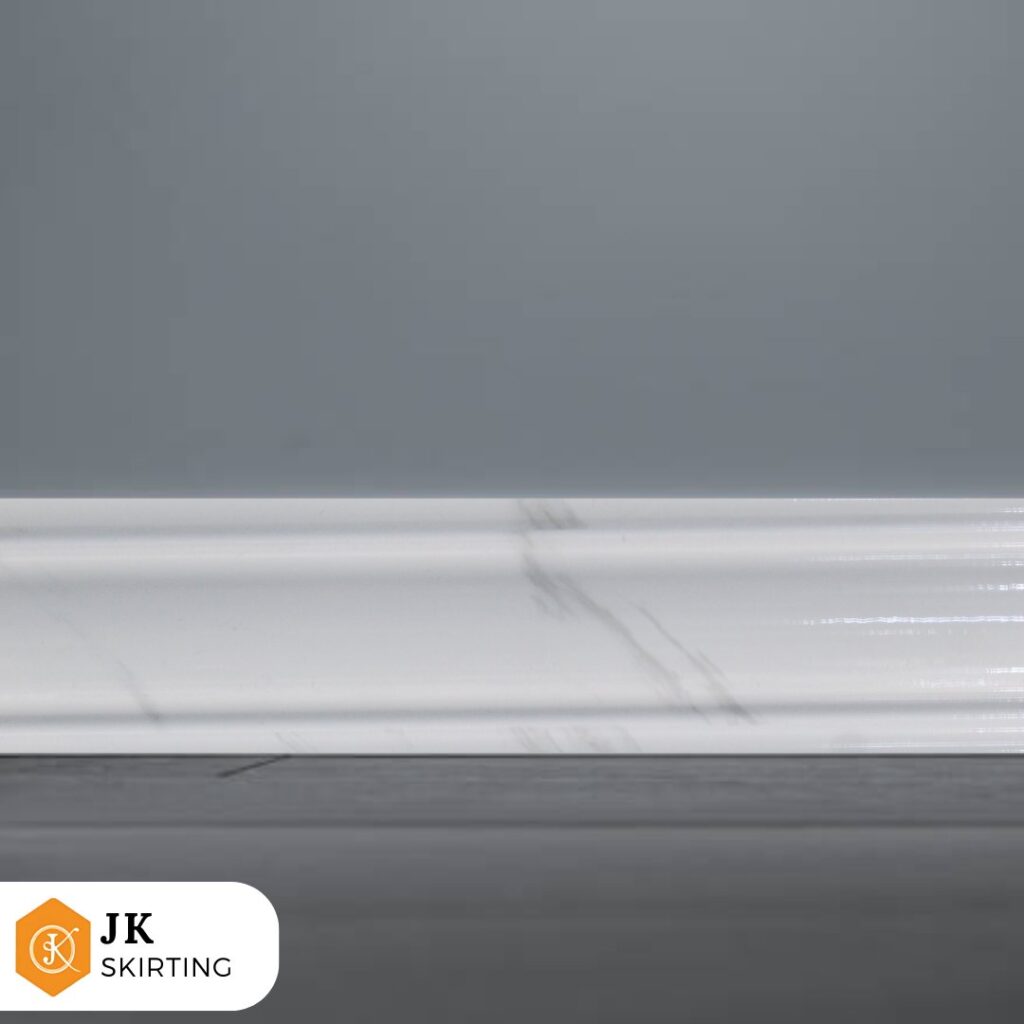
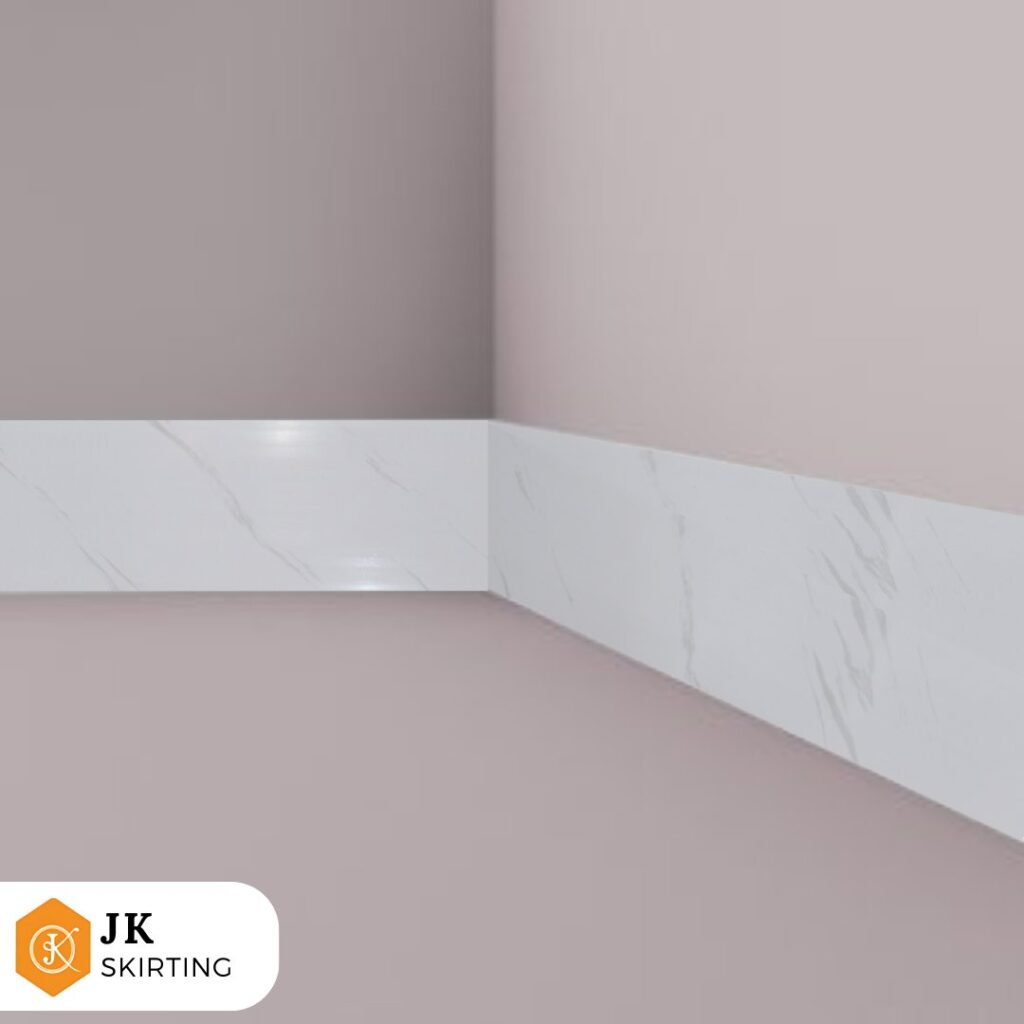
Types of JK Skirting
There are various types of skirting, each suited to different design preferences and functional requirements. The most common types include:
- Pencil Skirting: A minimalistic and thin skirting that adds a subtle finish to the walls. It is commonly used in contemporary homes where simplicity is key.
- Flush Skirting: Installed at the same level as the wall to create a seamless and modern look. This type requires precise wall carving to ensure a smooth integration.
- Recessed Skirting: Built into the wall to give the illusion of floating floors, often used in contemporary designs. It provides a sleek appearance and is ideal for high-end interiors.
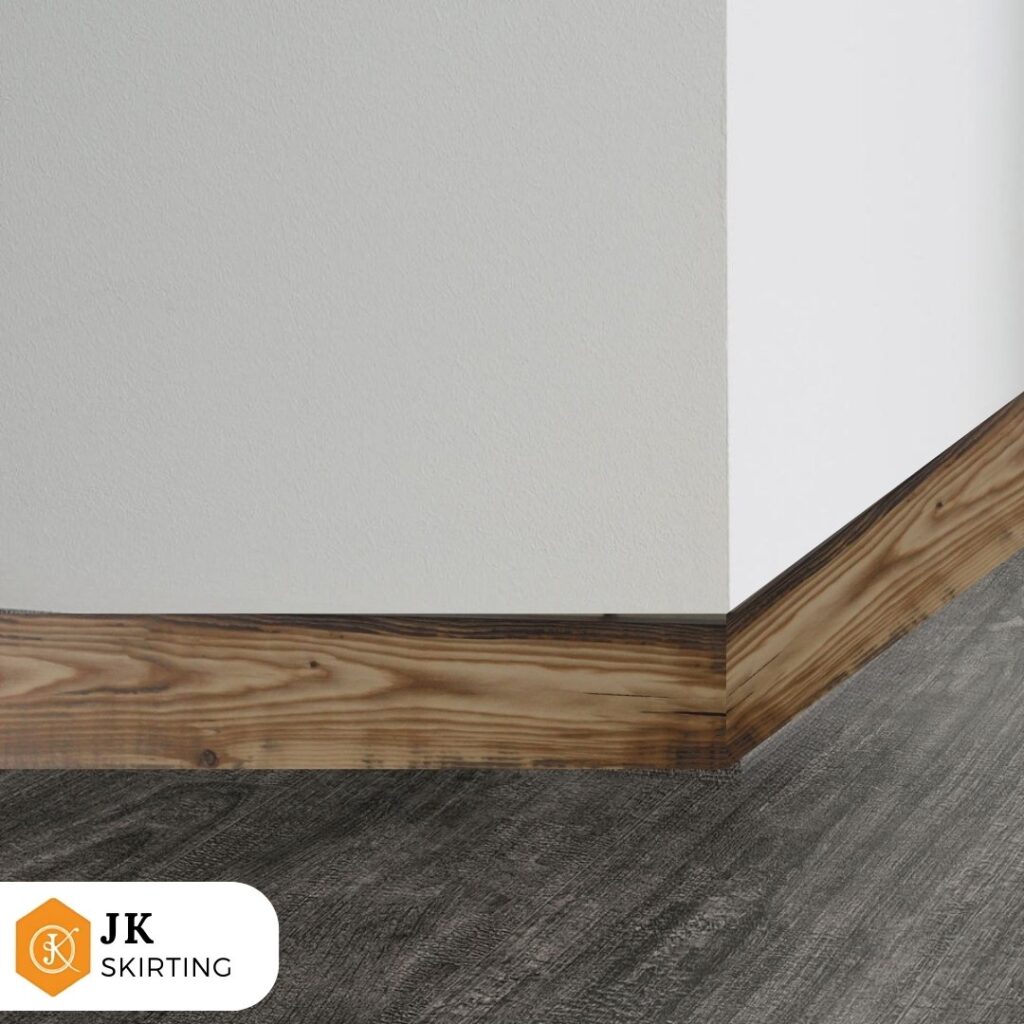
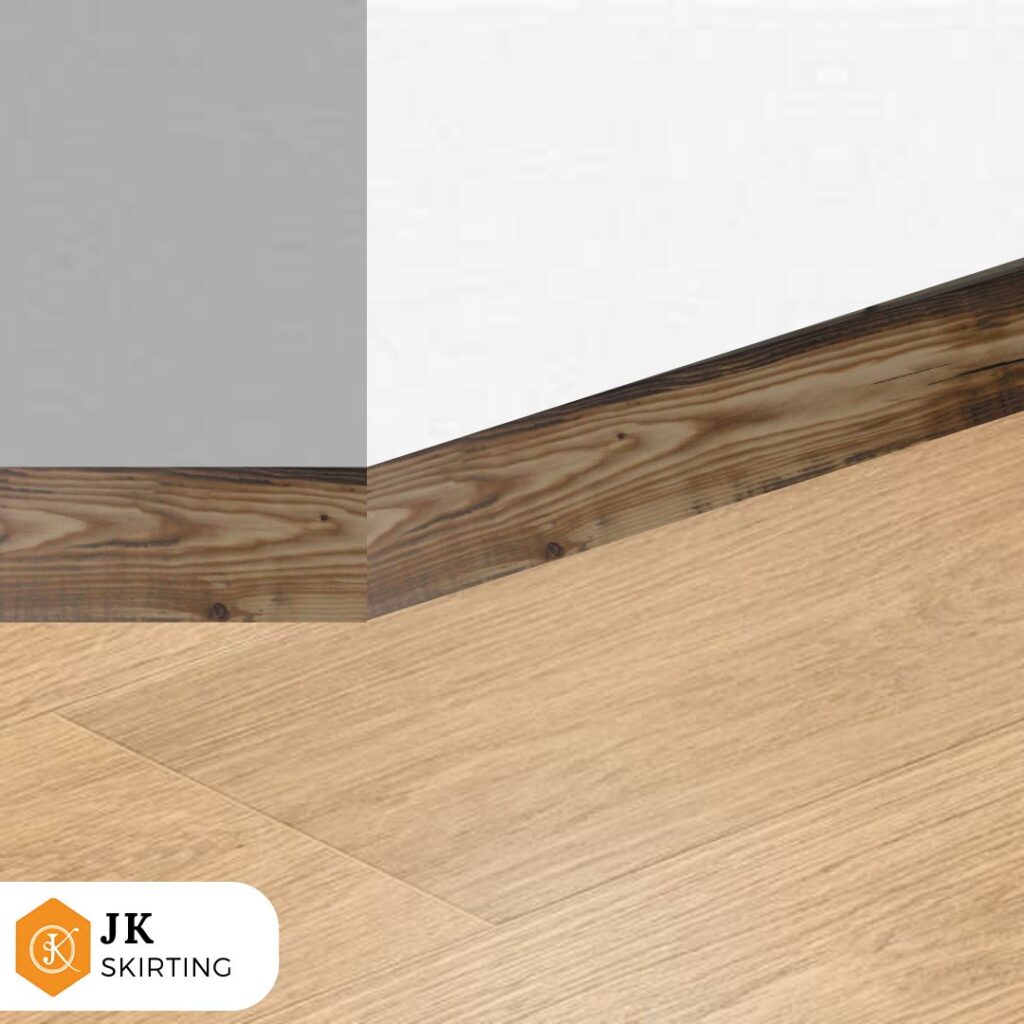
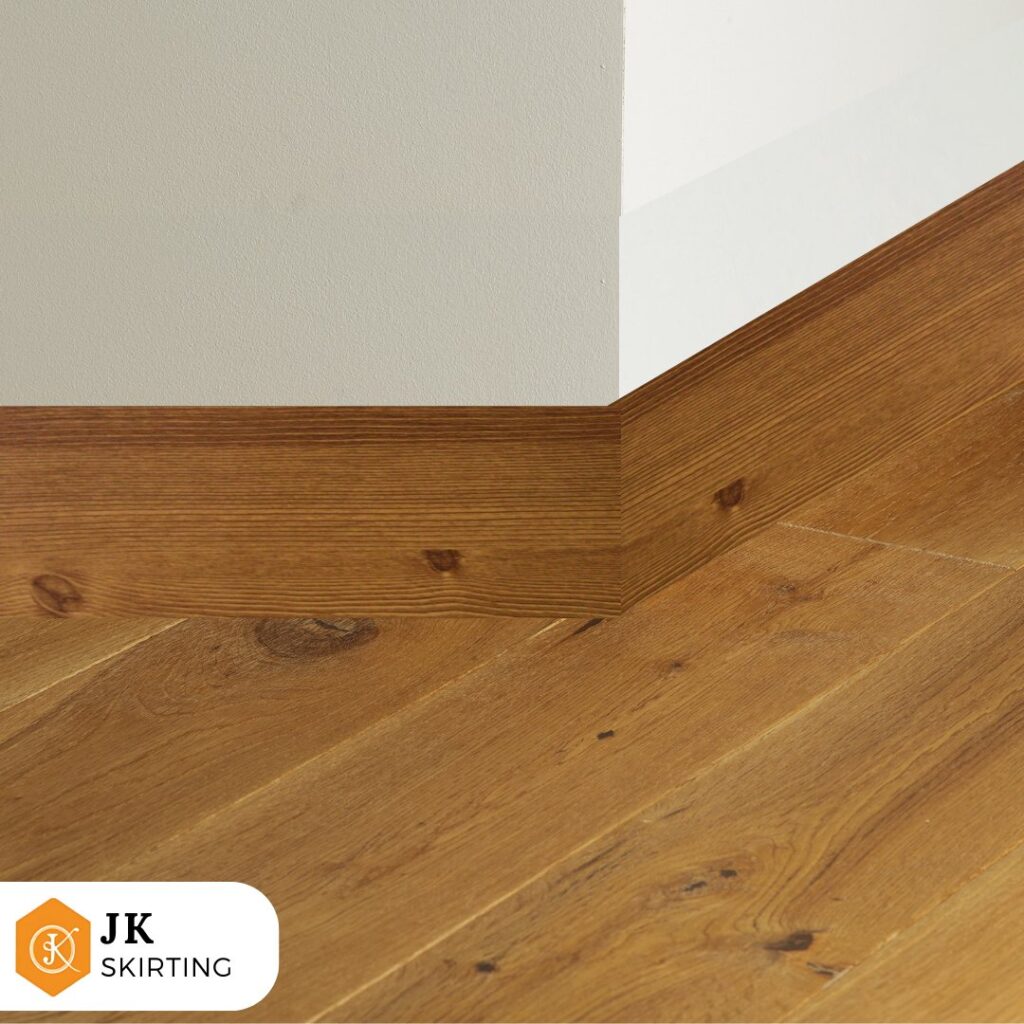
- Wooden Skirting: Offers a warm and classic appeal, commonly used in traditional and rustic interiors. Hardwood options such as oak and teak are popular for their durability and natural aesthetics.
- PVC Skirting: A cost-effective and durable option, ideal for areas prone to moisture, such as kitchens and bathrooms. It is also termite-resistant and easy to clean.
- Metal Skirting: Typically made of stainless steel or aluminum, providing a sleek and industrial aesthetic. It is highly durable and commonly used in commercial spaces.
- MDF Skirting: Medium-density fiberboard skirting is an affordable and versatile choice available in various finishes. It can be painted or laminated to match the room’s décor.
- Ceramic or Tile Skirting: Used in tiled areas, such as bathrooms, to match the flooring and provide a cohesive design. It is moisture-resistant and easy to maintain.
- Laminated Skirting: Made by covering a wooden or MDF base with a laminate finish, offering a variety of textures and colors. It is a cost-effective alternative to real wood.
- Bullnose Skirting: Features a rounded edge that provides a soft, smooth transition between the wall and floor. It is a great option for homes with children, as it reduces sharp corners.
- Ogee Skirting: A decorative skirting design with an elegant curved profile, commonly used in classical and Victorian-style interiors.
- Torus Skirting: Similar to ogee but with a more pronounced convex shape, making it a popular choice in traditional settings.
For more information about JK Interior and Exterior Design Things you can visit : click here
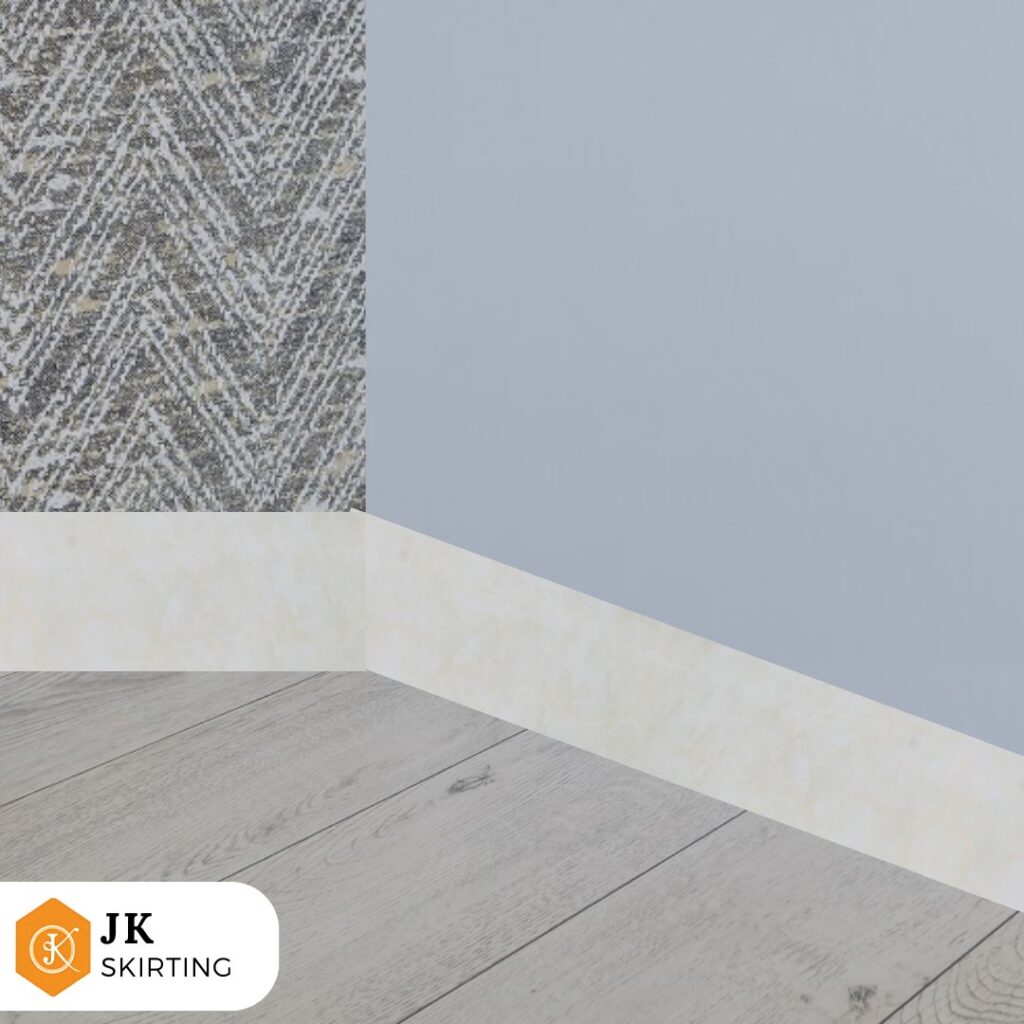
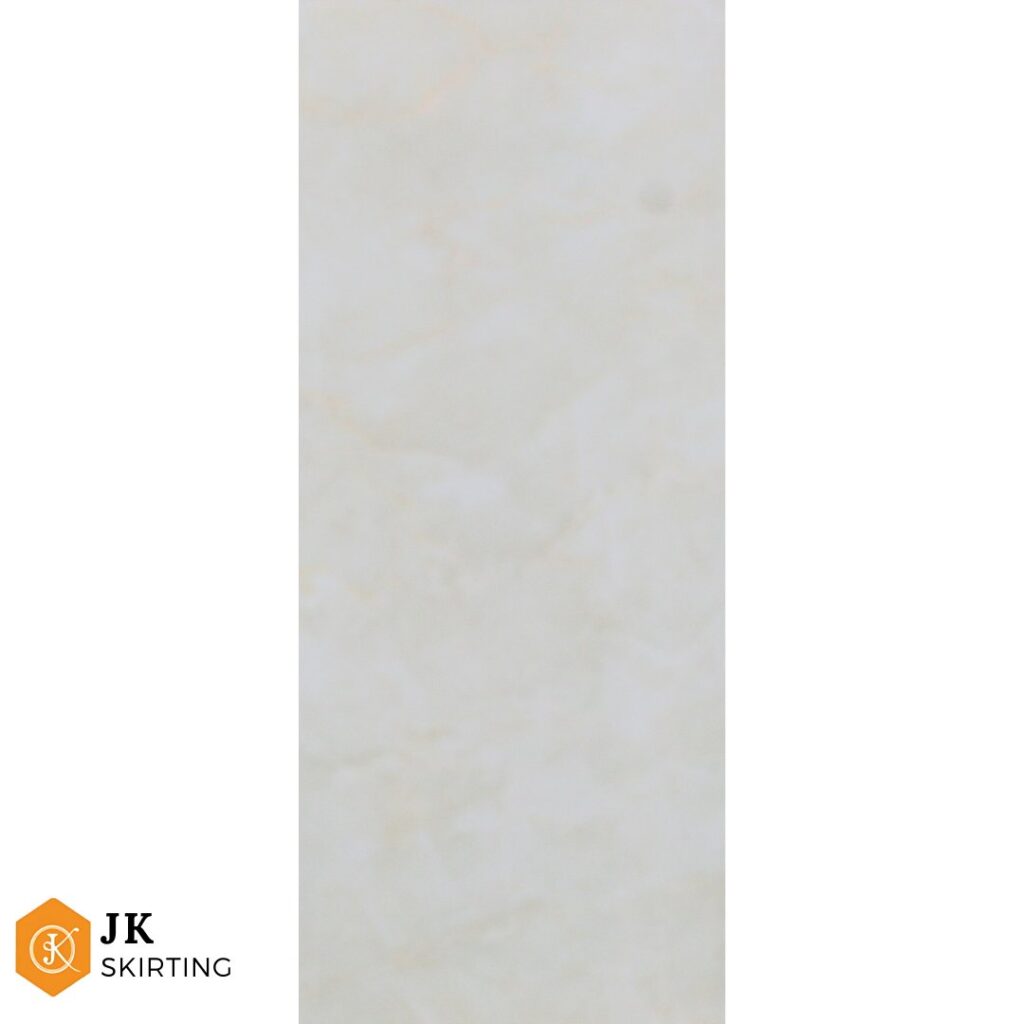
Materials Used for JK Skirting
Skirting boards are made from a variety of materials, each offering unique benefits. The choice of material depends on factors such as durability, aesthetics, moisture resistance, and cost. Below are the most commonly used materials for skirting:
- Wood:
- Common choices include hardwood (oak, teak, walnut) and softwood (pine, cedar).
- Hardwood skirting is highly durable, long-lasting, and provides a luxurious appeal.
- Softwood skirting is more affordable and can be painted or stained to match interiors.
- Ideal for traditional and classic decor styles but requires maintenance to prevent termite infestation and moisture damage.
- MDF (Medium-Density Fiberboard):
- Made from engineered wood fibers compressed with resin.
- Affordable and easy to work with, making it a popular choice for budget-friendly installations.
- Can be painted or laminated to match various interior themes.
- Not as durable as hardwood but provides a smooth, consistent finish.
- Susceptible to moisture damage, so not suitable for wet areas.
- PVC (Polyvinyl Chloride):
- Water-resistant, lightweight, and easy to install.
- Does not warp, swell, or decay, making it suitable for bathrooms, kitchens, and outdoor areas.
- Available in various colors and textures, including wood and stone finishes.
- Low maintenance and resistant to pests, but may not provide the same premium look as wood or stone.
- Stainless Steel or Aluminum:
- Durable, rust-resistant, and provides a sleek, industrial aesthetic.
- Commonly used in commercial and industrial spaces.
- Ideal for areas requiring hygiene, such as hospitals and commercial kitchens.
- More expensive than PVC and MDF but offers superior longevity.
- Ceramic or Porcelain Tiles:
- Used in areas with tiled flooring to maintain a consistent design.
- Resistant to moisture, stains, and easy to clean.
- Suitable for bathrooms, kitchens, and outdoor applications.
- Installation requires precision and professional expertise.
- Marble or Natural Stone:
- Luxurious and highly durable, providing a premium aesthetic.
- Resistant to scratches, stains, and moisture, making it ideal for high-end interiors.
- Common materials include granite, marble, and travertine.
- Expensive and heavy, requiring skilled labor for installation.
- Needs periodic sealing to maintain its appearance and prevent damage.
Installation Methods of JK Skirting
The installation of skirting varies based on the type of material and the desired finish. Common installation methods include:
- Nail or Screw Fixing: Used for wooden and MDF skirting, where nails or screws secure the skirting to the wall.
- Adhesive Fixing: Suitable for lightweight materials such as PVC and MDF, where strong adhesives bond the skirting to the wall.
- Recessed Installation: Requires precise wall carving to fit the skirting board flush with the wall surface.
- Clip-on or Interlocking System: Some modern skirting boards come with interlocking mechanisms for easy installation and removal.
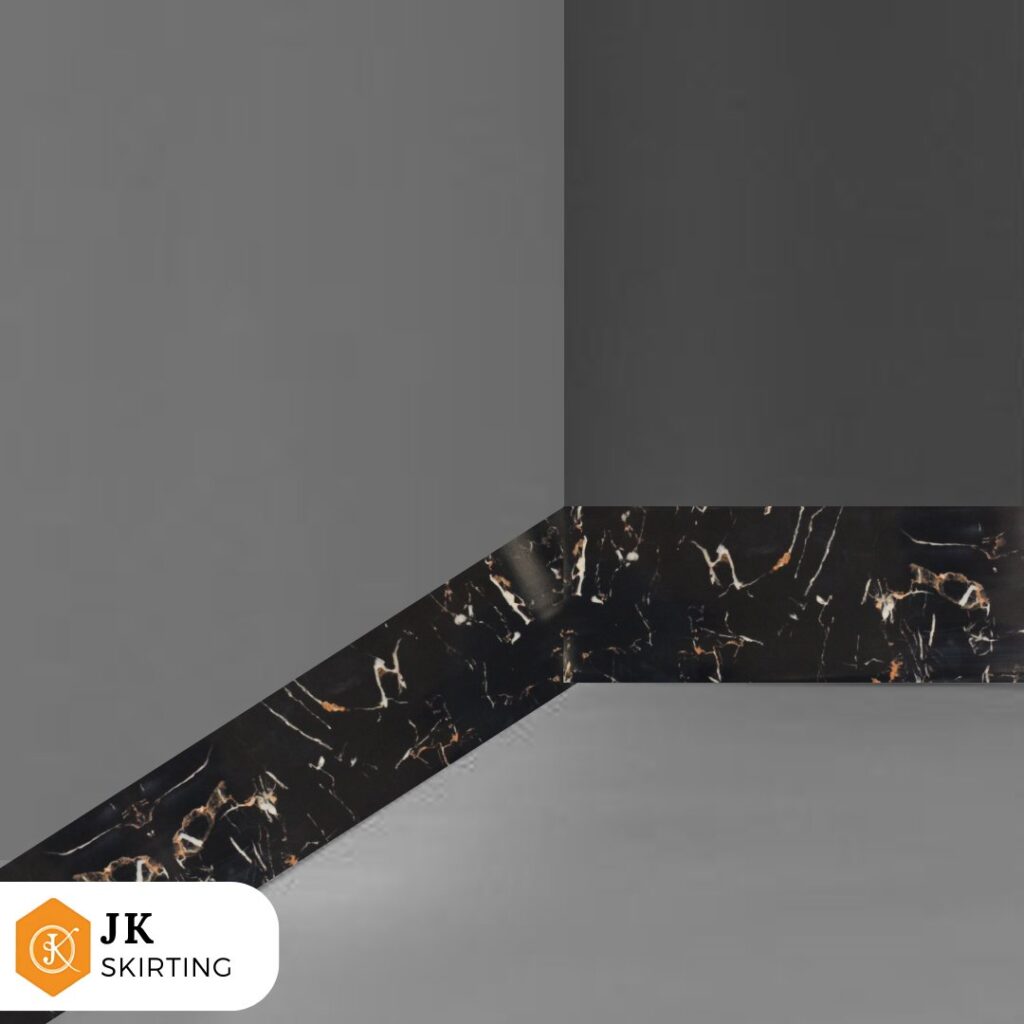
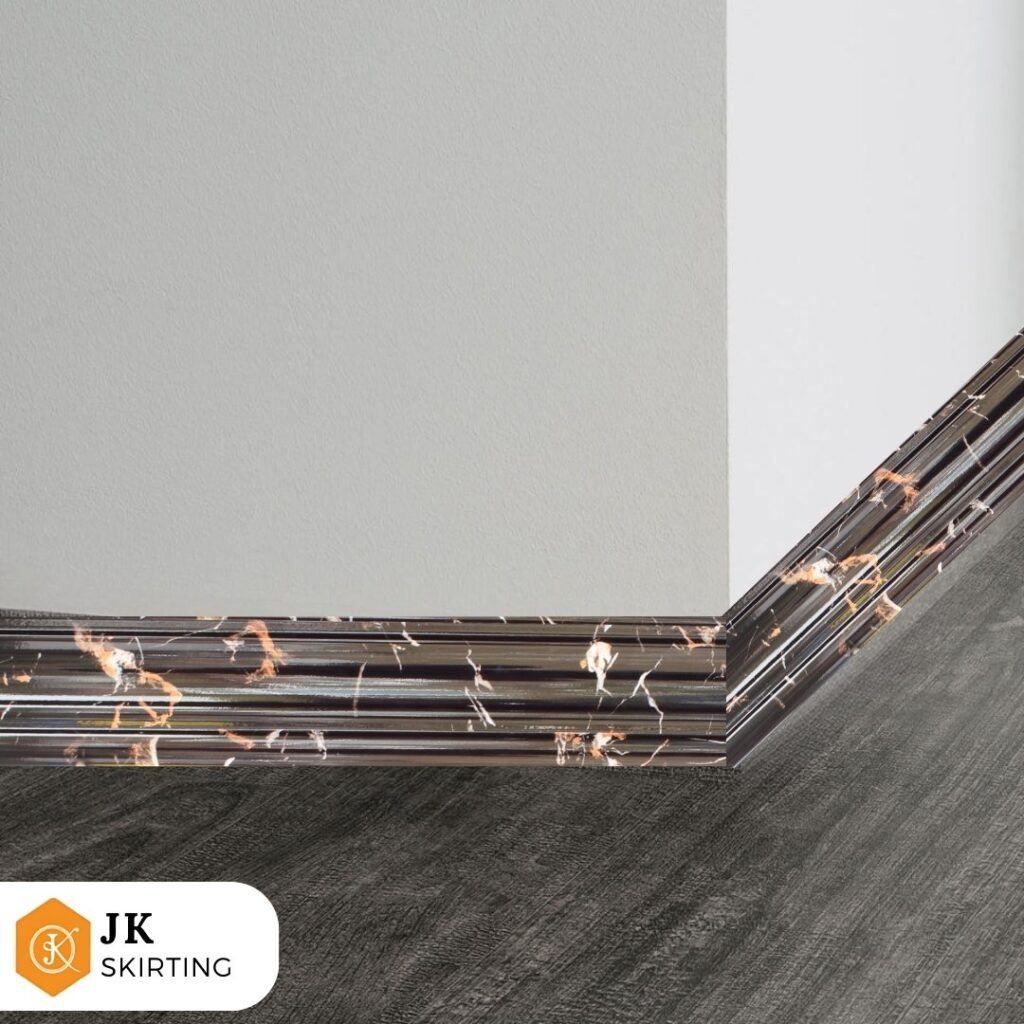
Benefits of JK Skirting
The installation of JK skirting provides numerous advantages in interior spaces:
- Enhanced Interior Aesthetics: Skirting contributes to a polished and sophisticated look in any space by seamlessly connecting the floor and walls. It helps create a cohesive design that enhances the overall appeal of a room.
- Wall Protection: One of the primary benefits of skirting is that it protects walls from potential damage caused by furniture, accidental impacts, and cleaning activities. It acts as a barrier that prevents scratches, scuffs, and dents on walls.
- Easy Maintenance: Skirting plays a crucial role in keeping rooms clean and free from accumulated dust or dirt at the base of walls. It simplifies the cleaning process by allowing easy sweeping and mopping without affecting the wall paint or finish.
- Hides Imperfections and Wiring: Skirting effectively conceals gaps between walls and floors, covering minor construction flaws. Additionally, skirting boards with built-in channels can be used to hide electrical wiring, preventing clutter and maintaining a neat interior.
- Prevents Moisture Damage: In areas prone to humidity, such as bathrooms and kitchens, skirting helps protect the lower part of the walls from moisture exposure. This prevents issues such as paint peeling, mold growth, and dampness.
- Customizable Design Options: Skirting is available in a wide range of materials, colors, and designs, allowing homeowners and designers to customize interiors according to their style preferences. From classic wooden skirting to sleek metal finishes, there are numerous choices to complement different decor themes.
- Increases Property Value: Properly installed and well-maintained skirting enhances the visual appeal and durability of a property, making it more attractive to potential buyers or tenants. This small design detail can add to the overall market value of a space.
- Improves Insulation and Acoustics: Skirting can contribute to better insulation by sealing gaps at the base of walls, reducing heat loss during colder months. In addition, it helps improve room acoustics by dampening echoes and sound transmission, making interiors more comfortable and quiet.
Applications of JK Skirting
Skirting is widely used in different environments for both functional and decorative purposes. Some common applications include:
- Residential Spaces: Used in living rooms, bedrooms, hallways, and kitchens to provide a neat and stylish finish.
- Commercial Buildings: Offices, hotels, and retail spaces use skirting for durability and professional aesthetics.
- Educational Institutions: Schools and universities install skirting to protect walls in high-traffic corridors and classrooms.
- Hospitals and Healthcare Facilities: Hygienic and easy-to-clean skirting options like PVC or tile are preferred.
- Industrial and Commercial Kitchens: Metal or PVC skirting is used for easy cleaning and moisture resistance.
Frequently Asked Questions (FAQs)
1. What is the ideal height for skirting boards?
The height of skirting boards typically ranges from 4 to 8 inches (100 to 200 mm), depending on the room’s proportions and design preferences.
2. Can skirting be painted or customized?
Yes, materials like wood, MDF, and PVC can be painted or customized to match interior décor.
3. Is skirting necessary in modern interiors?
While some modern designs prefer a seamless look without skirting, it remains useful for wall protection and aesthetic enhancement.
4. What is the most durable material for skirting?
Materials like stainless steel, hardwood, and ceramic tiles are among the most durable options.
5. How do I maintain skirting boards?
Regular dusting and wiping with a damp cloth are usually sufficient. For wooden skirting, periodic polishing or varnishing can help maintain its appearance.
6. Can skirting be removed or replaced?
Yes, skirting can be removed and replaced, though the ease of removal depends on the installation method used.
Conclusion
Skirting plays a crucial role in both interior design and practical functionality. It is not just a decorative feature but also serves to protect walls, hide wiring, and enhance the durability of interior spaces. With various types, materials, and installation methods available, skirting can be customized to suit different aesthetic preferences and functional requirements. Whether in residential, commercial, or industrial spaces, skirting ensures a polished, sophisticated, and well-maintained environment.
The selection of skirting should consider factors such as the level of foot traffic, exposure to moisture, and overall design theme. Wooden and MDF skirting may be ideal for classic interiors, while PVC and metal skirting are more suited to modern and high-moisture environments. Proper installation is essential for maximizing the longevity and effectiveness of skirting. Additionally, maintenance practices such as regular cleaning and repainting (if required) contribute to preserving the skirting’s appearance and functionality over time.