Introduction
Hall interior design plays a crucial role in determining the aesthetic appeal and functionality of a home, office, or commercial space. The hall serves as the focal point of any building, setting the tone for the entire interior. It is the first impression visitors get, and therefore, it must reflect the personality, style, and purpose of the space.
A well-designed hall enhances the overall ambiance, ensuring that it is welcoming, practical, and visually appealing. The design should consider various factors such as space utilization, color schemes, furniture selection, lighting, and decorative elements. Whether it is a grand entrance hall in a luxurious villa, a cozy living area in an apartment, or a functional lobby in a corporate office, the design approach should cater to the specific needs of the inhabitants and guests.
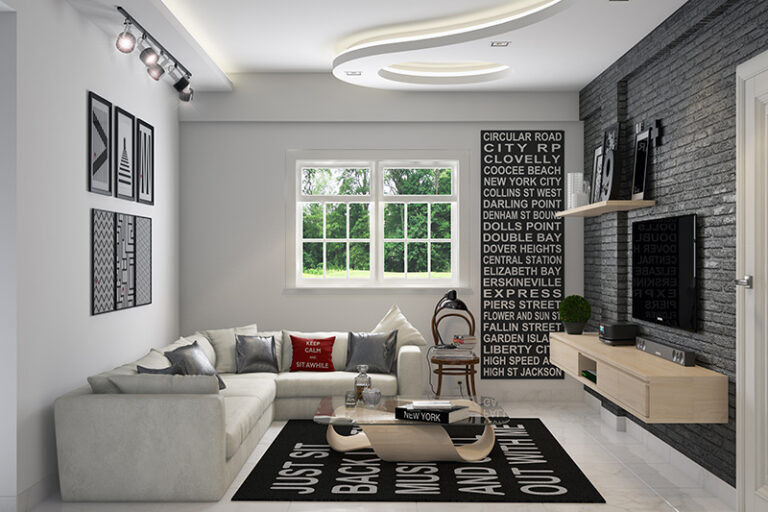
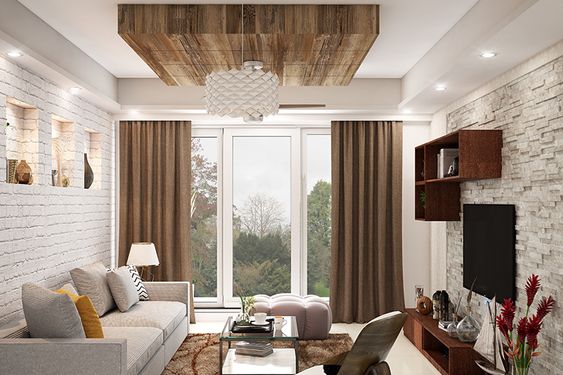
Key Elements of Hall Interior Design
- Space Planning
- Space planning is essential to ensure a well-organized layout that allows free movement.
- It involves allocating zones for seating, pathways, and decorative elements to create a balanced and inviting environment.
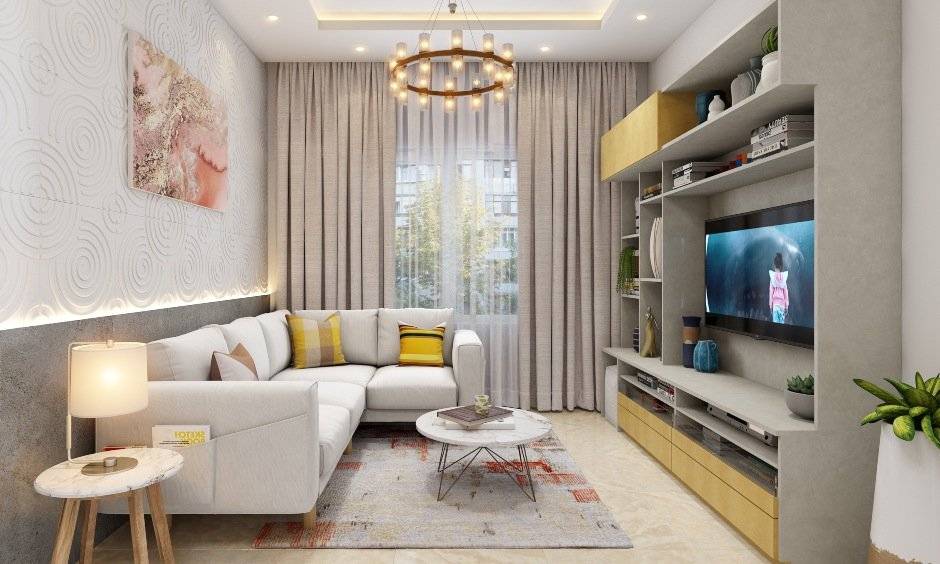
- Multi-functional furniture can be incorporated to maximize space in small halls.
- Furniture Selection
- The choice of furniture should be based on the size and purpose of the hall.
- Sofas, coffee tables, console tables, and lounge chairs are common elements in hall design.
- In a commercial setting, reception desks, waiting lounges, and display units are necessary.
- Custom-built furniture can be used to enhance uniqueness and cater to specific requirements.
- Lighting Arrangement
- Lighting plays a crucial role in setting the ambiance of the hall.
- A combination of natural light and artificial lighting enhances the aesthetic appeal.
- Chandeliers, pendant lights, wall sconces, LED strips, and floor lamps contribute to a well-lit and inviting atmosphere.
- Dimmers and smart lighting systems allow flexibility in adjusting brightness according to mood and occasion.
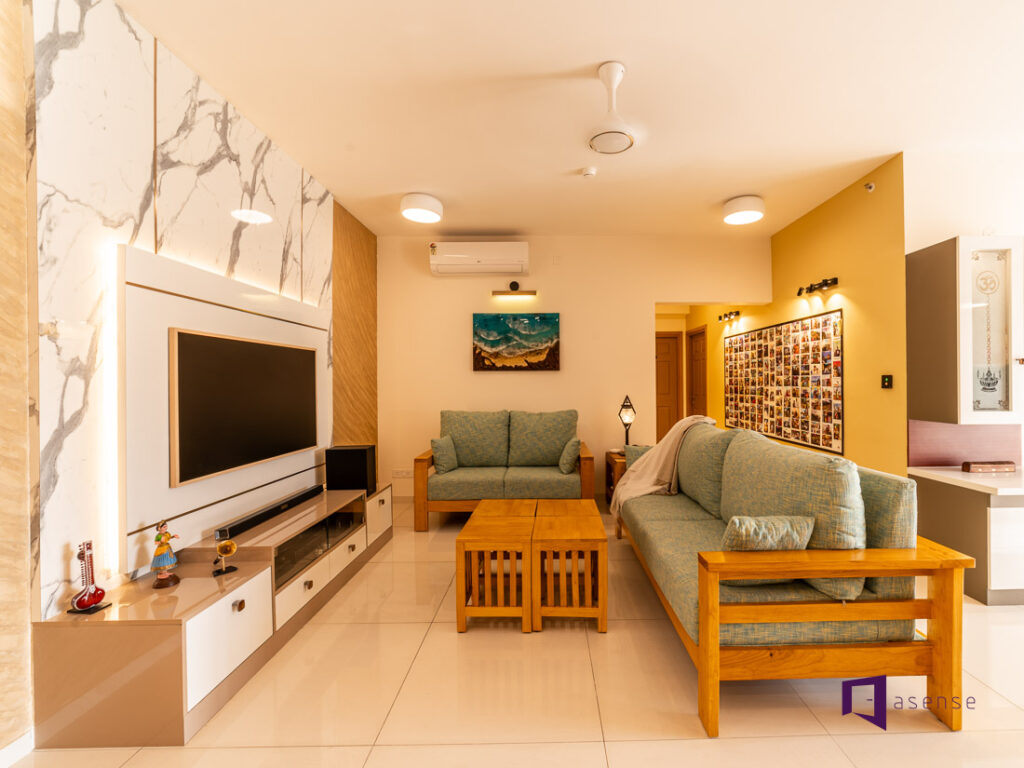
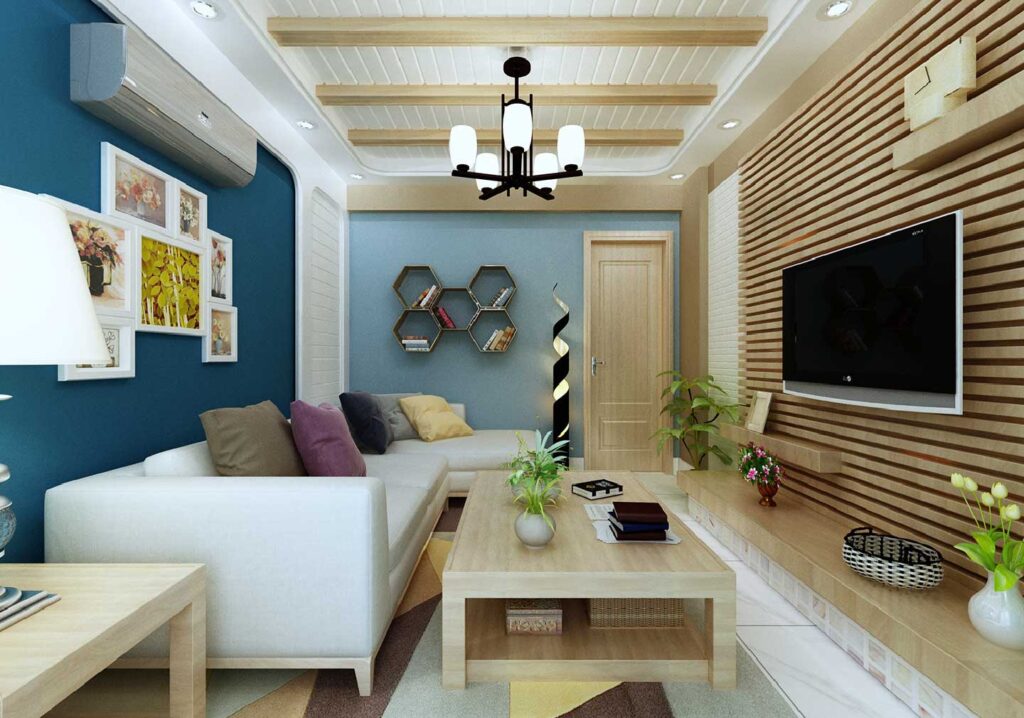
If you want to get expert advice about interior design while sitting at home and if you want to change the interior of your house, then contact us on : +919917969900
You can also visit  our site for more information about Interior and exterior design : click here
- Color Scheme and Wall Treatments
- The color palette should complement the overall theme and function of the space.
- Neutral shades like white, beige, and pastels create a serene and spacious feel, while bold colors add character and vibrancy.
- Wall treatments such as textured paint, wallpaper, wooden panels, and 3D wall panels add depth and elegance to the design.
- Flooring Options
- Flooring selection influences the durability, comfort, and visual appeal of the hall.
- Common options include hardwood, marble, tiles, laminate, and carpets.
- The choice depends on the traffic volume and maintenance requirements of the space.
- Area rugs and carpets can be used to add warmth and define different zones within the hall.
- Ceiling Design
- False ceilings, coffered ceilings, and wooden beams add architectural interest to hall design.
- Recessed lighting, cove lighting, and statement chandeliers enhance the elegance of the ceiling.
- High ceilings create a sense of openness, while lower ceilings should be designed to avoid a cramped appearance.
- Decor Accessories and Art Pieces
- Artworks, sculptures, and decorative pieces personalize the space and reflect individual taste.
- Mirrors create an illusion of a larger space and enhance natural light reflection.
- Indoor plants add freshness and contribute to a calming atmosphere.
- Personal touches such as family photos, vases, and bookshelves make the hall more welcoming.

Popular Themes in Hall Interior Design
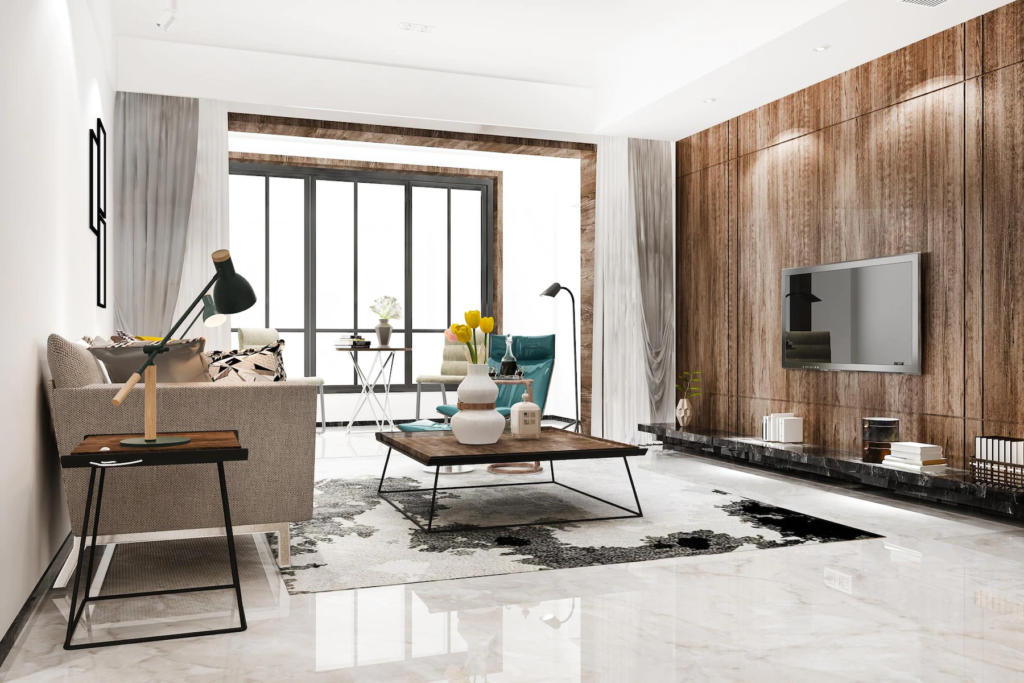
- Modern Minimalist
- Characterized by clean lines, neutral tones, and minimal decor elements.
- Functional furniture with sleek and simple designs.
- Open spaces with a clutter-free environment.
- Classic and Traditional
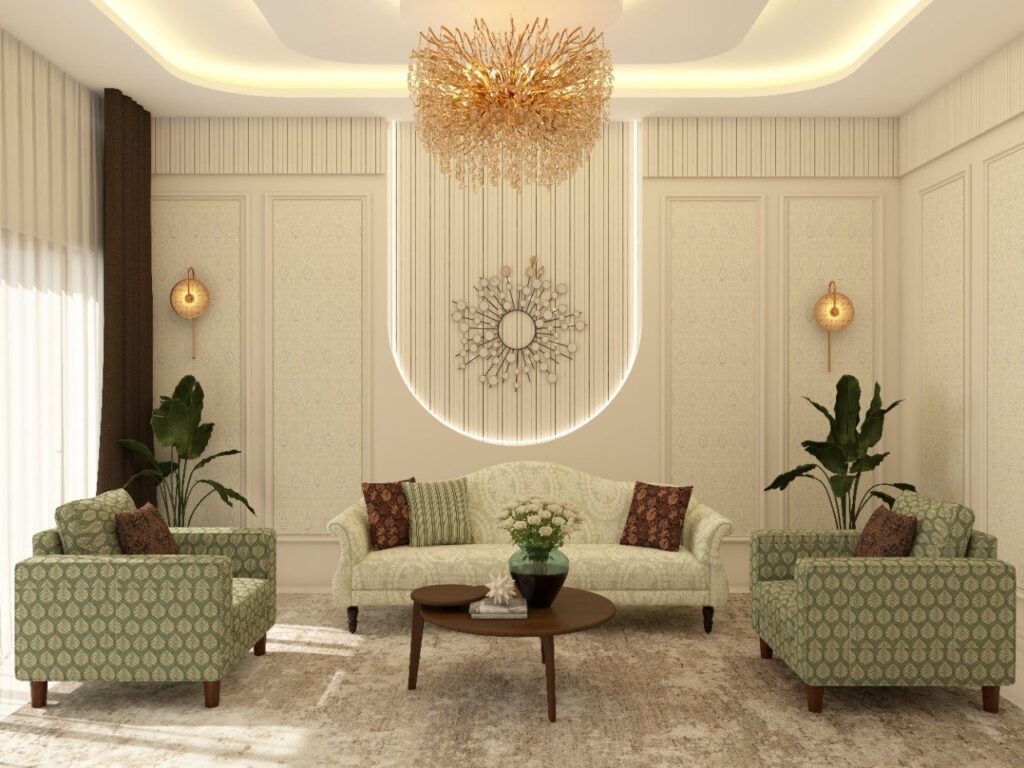
- Features intricate moldings, rich fabrics, and ornate furniture.
- Use of warm colors and luxurious materials like velvet, silk, and wood.
- Chandeliers and antique pieces add a royal charm.
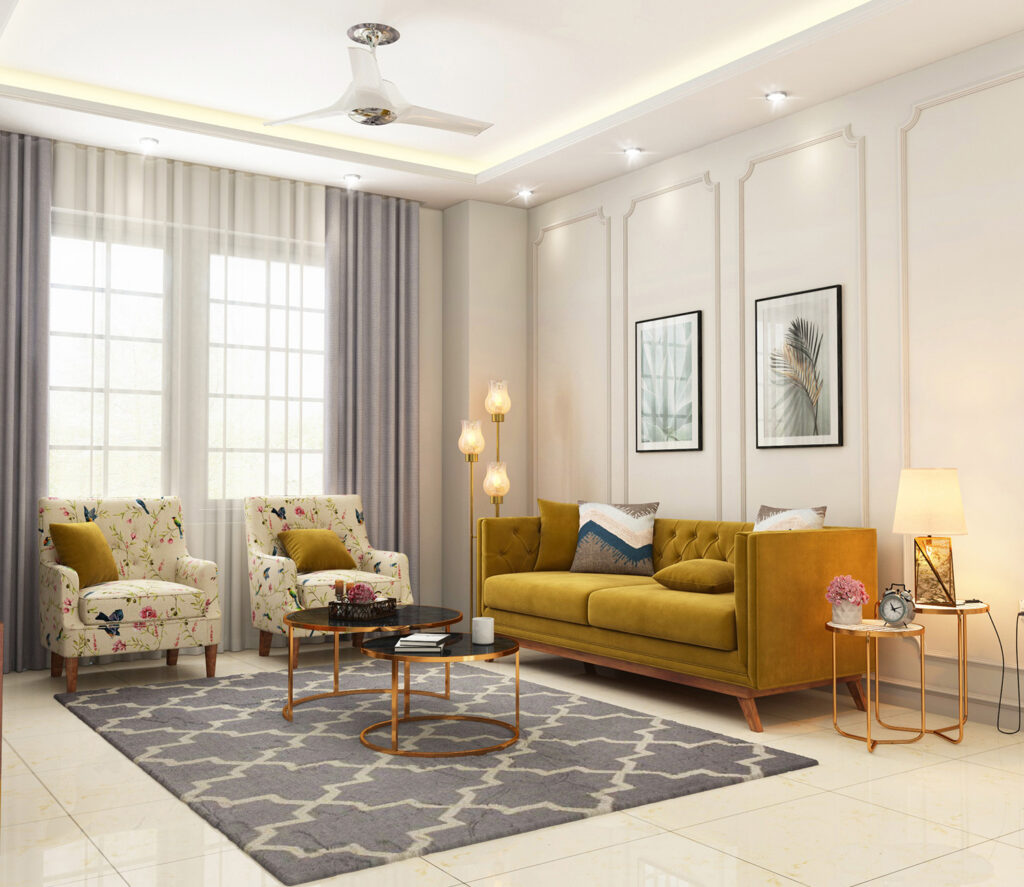
- Contemporary Style
- A blend of modern and traditional elements.
- Emphasis on comfort and livability with stylish yet practical furniture.
- Abstract art and geometric patterns play a vital role.
- Industrial Style
- Inspired by warehouse and loft aesthetics with exposed brick walls and metal elements.
- Use of raw materials like wood, steel, and concrete.
- Open spaces with a mix of vintage and contemporary furniture.
- Bohemian Style
- Eclectic mix of colors, patterns, and textures.
- Layering of fabrics, rugs, and cushions for a cozy feel.
- Handmade and vintage furniture pieces add uniqueness.
- Scandinavian Style
- Focuses on simplicity, functionality, and natural elements.
- Light wood, neutral colors, and minimal decor.
- Cozy textures like wool and fur create warmth.
Functional Considerations in Hall Interior Design
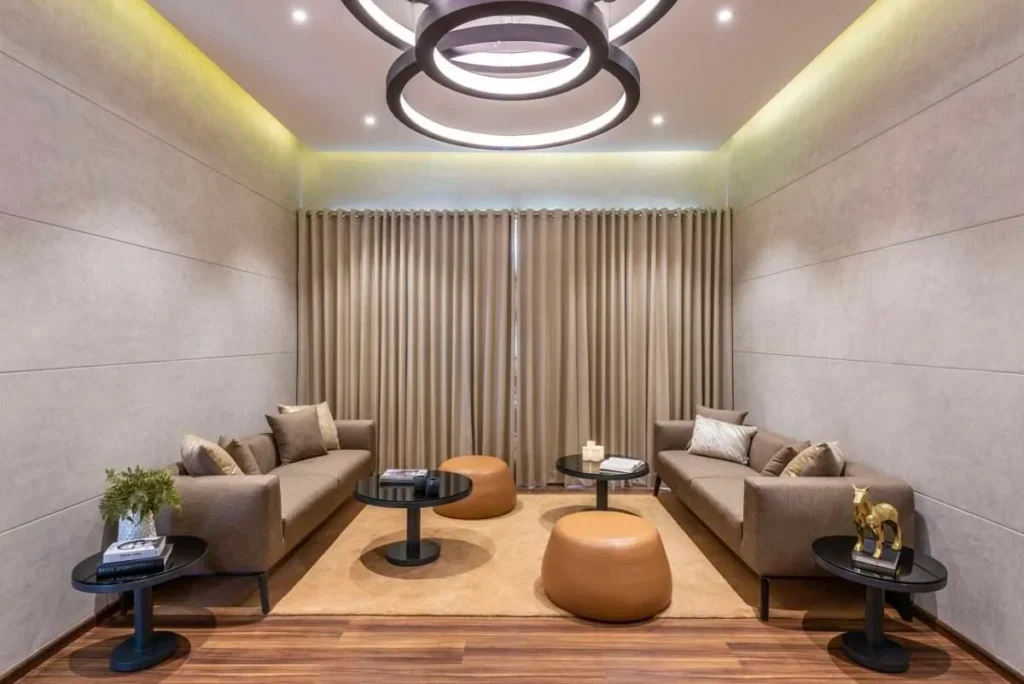
- Storage Solutions
- Built-in shelves, cabinets, and hidden storage compartments help in maintaining an organized space.
- Multipurpose furniture like ottomans with storage adds functionality without compromising aesthetics.
- Acoustics and Soundproofing
- Acoustic panels, carpets, and heavy curtains help in noise reduction.
- Soft furnishings contribute to better sound absorption in large halls.
- Sustainability and Eco-Friendly Designs
- Use of sustainable materials like bamboo, recycled wood, and energy-efficient lighting.
- Incorporating indoor plants to improve air quality.
- Maximizing natural ventilation and daylight to reduce energy consumption.
- Smart Technology Integration
- Automated lighting, temperature control, and security systems enhance convenience.
- Wireless charging stations and smart furniture improve functionality.
Challenges in Hall Interior Design
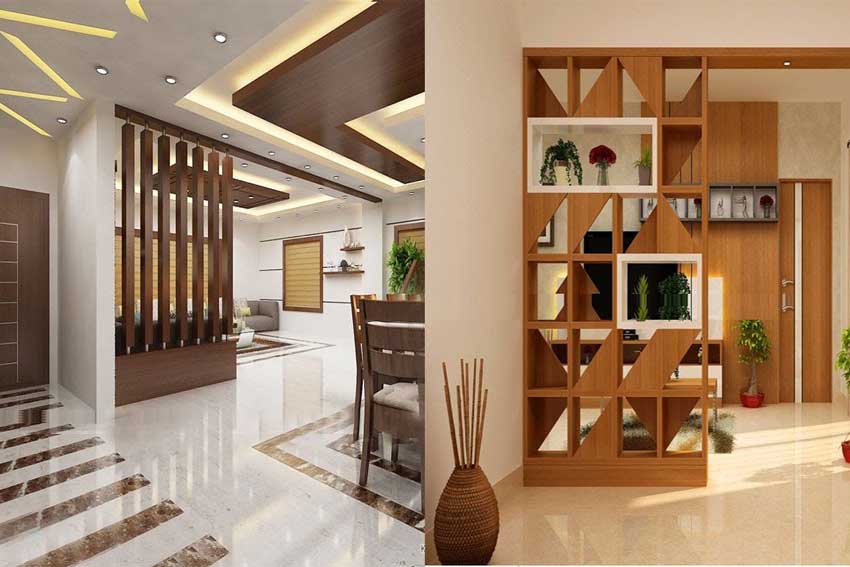
- Limited Space
- Small halls require space-saving solutions like foldable furniture and wall-mounted storage.
- Balancing Aesthetics and Functionality
- Ensuring that the design is not only visually appealing but also practical.
- Budget Constraints
- Achieving a luxurious look within a budget through cost-effective materials and DIY decor ideas.
- Maintenance and Durability
- Choosing materials that are easy to clean and maintain, especially in high-traffic areas.
Conclusion
Hall interior design is a crucial aspect of any space, influencing both aesthetics and functionality. Whether designing for a home, office, or commercial setting, careful planning is required to ensure a balance between style, comfort, and practicality. Elements such as furniture, lighting, color schemes, flooring, and decor accessories contribute to creating an inviting and well-organized hall. By selecting an appropriate theme, incorporating smart technology, and considering sustainability, a hall can be transformed into a stunning and functional space. The key to successful hall interior design lies in creativity, attention to detail, and a deep understanding of the space’s purpose and user requirements.