Stone Plastic Composite (SPC) Flooring
Introduction
Stone Plastic Composite (SPC) flooring is one of the most innovative flooring solutions in the modern market. It is a next-generation flooring material that combines the durability of stone with the flexibility of plastic to create a highly resilient flooring option. SPC flooring is particularly known for its rigid core construction, making it superior to traditional vinyl and laminate flooring in terms of stability and longevity.
With rapid advancements in flooring technology, JK SPC flooring has emerged as a highly durable, versatile, and aesthetically appealing option for both residential and commercial applications. This flooring type is designed to withstand heavy foot traffic, moisture exposure, and temperature variations, making it a preferred choice for homes, offices, hotels, and commercial spaces.
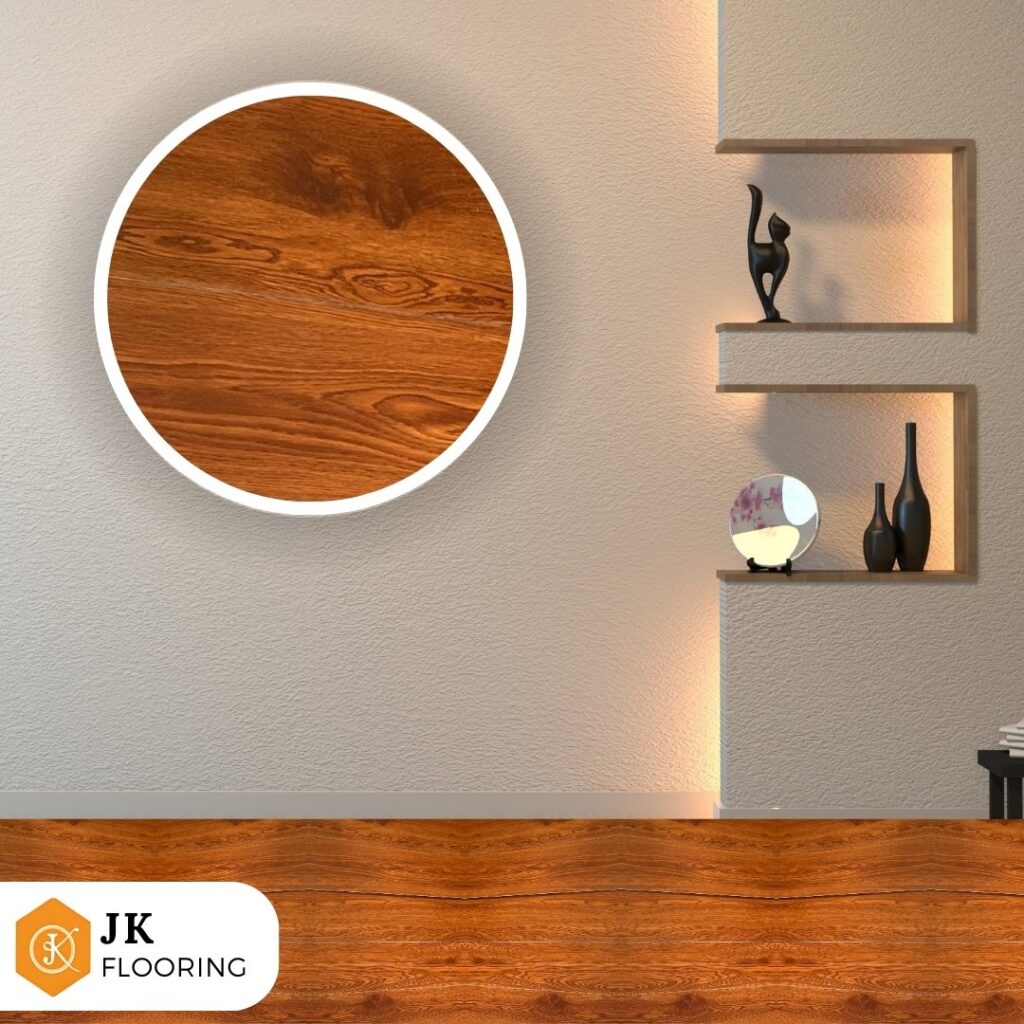
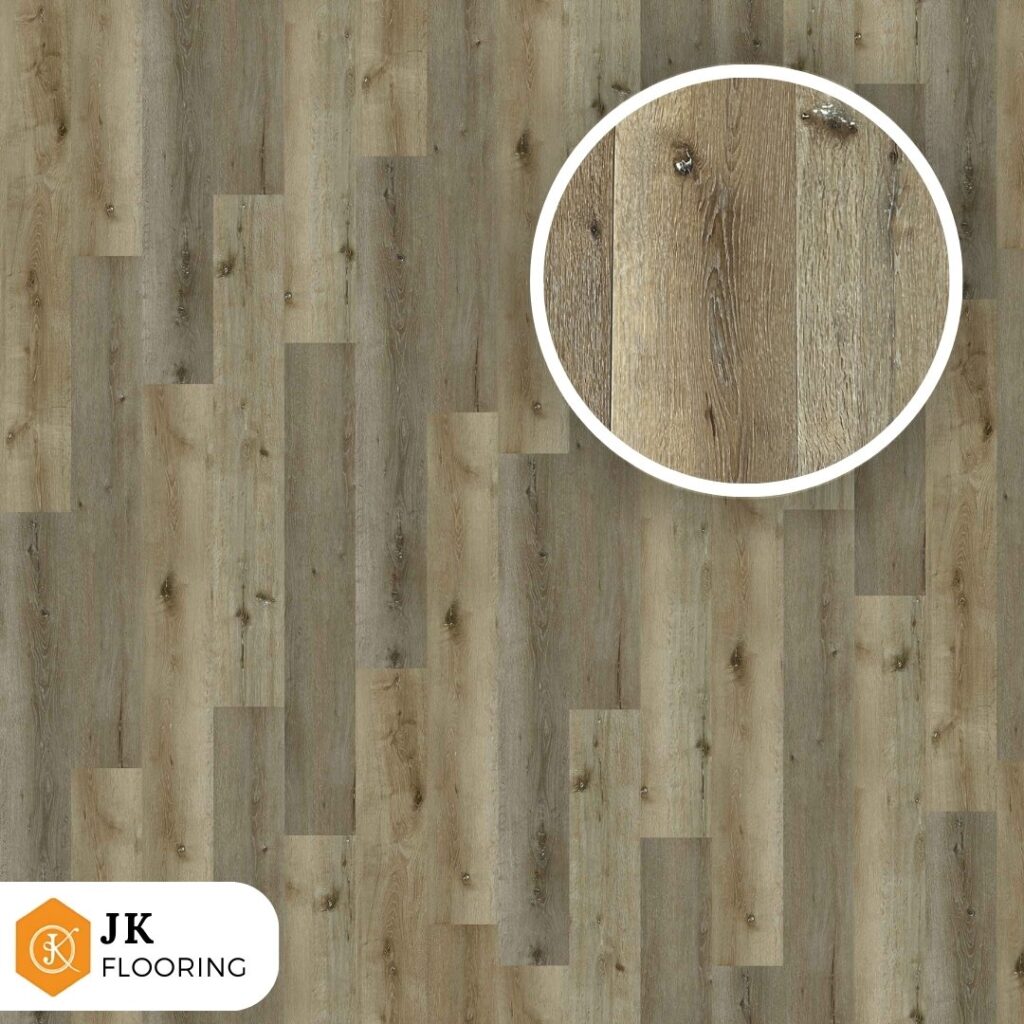
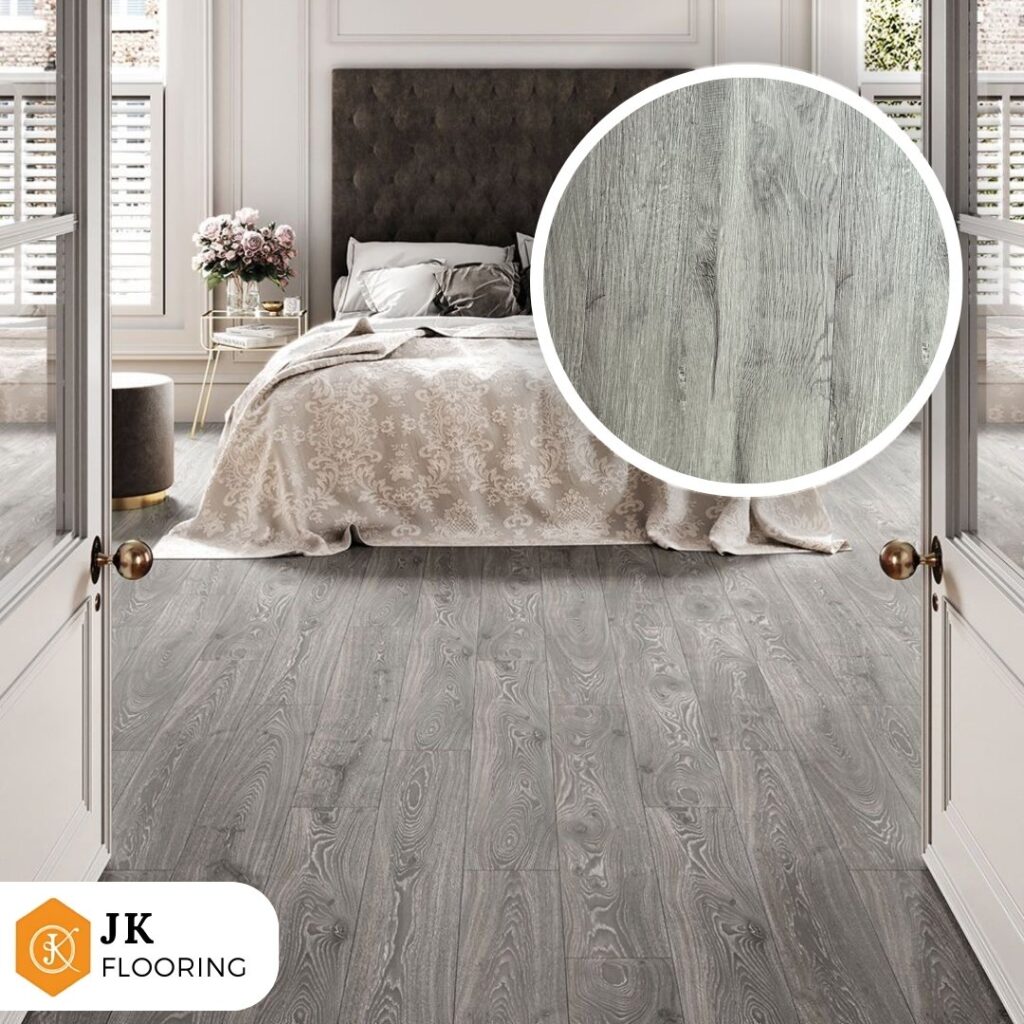
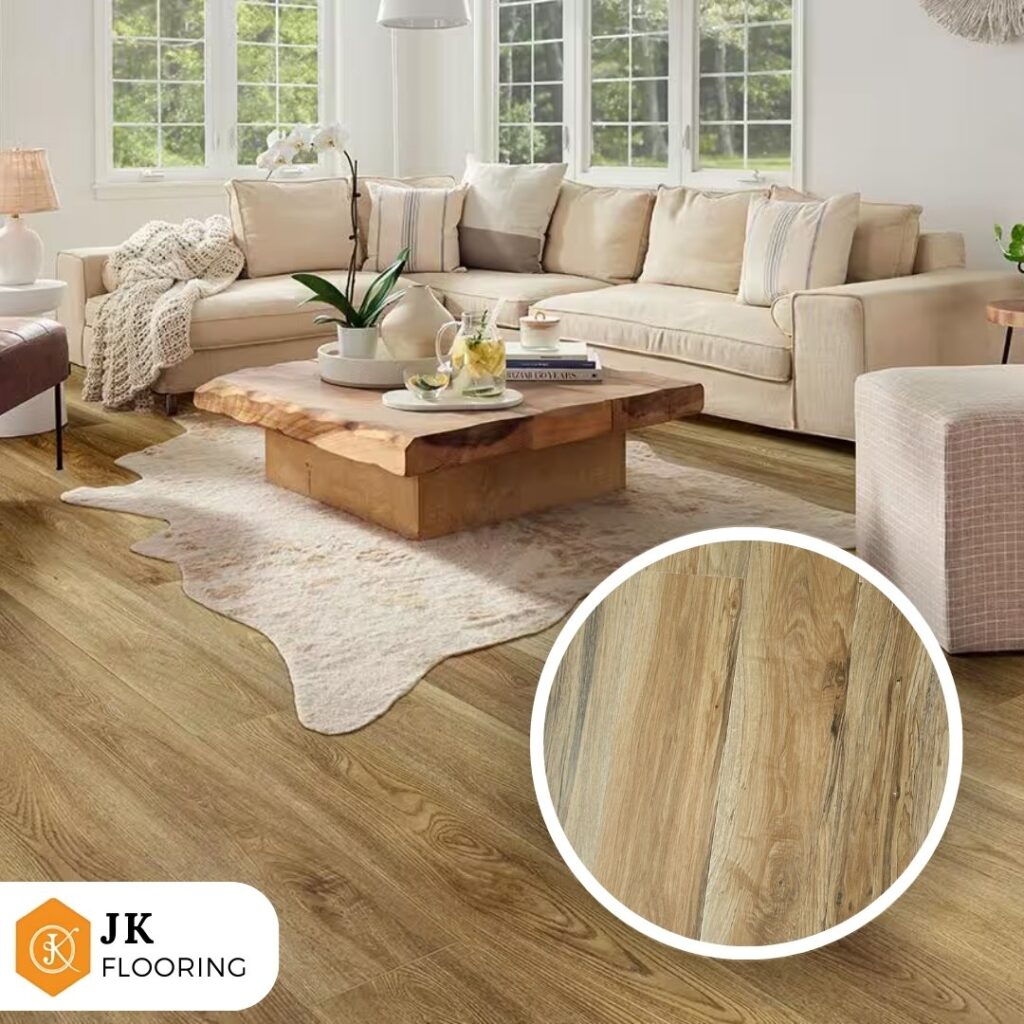
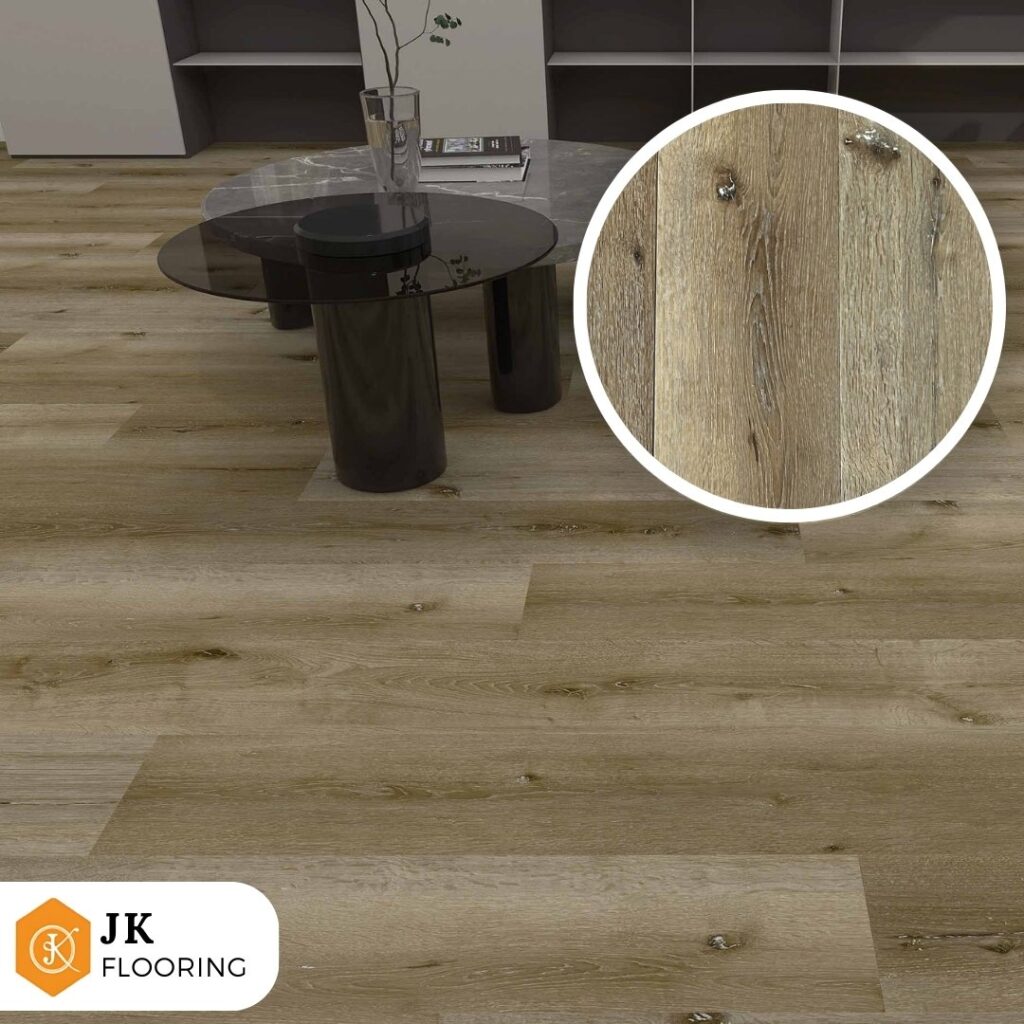
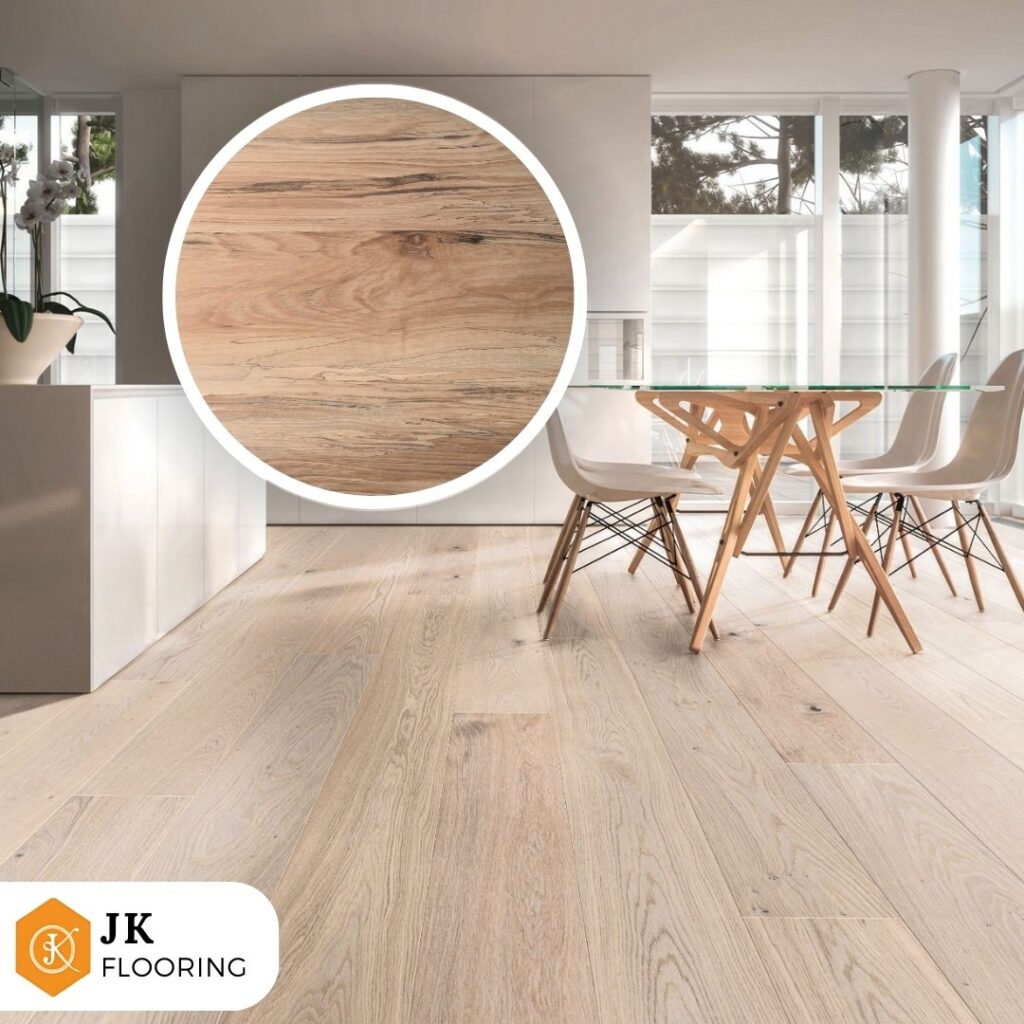
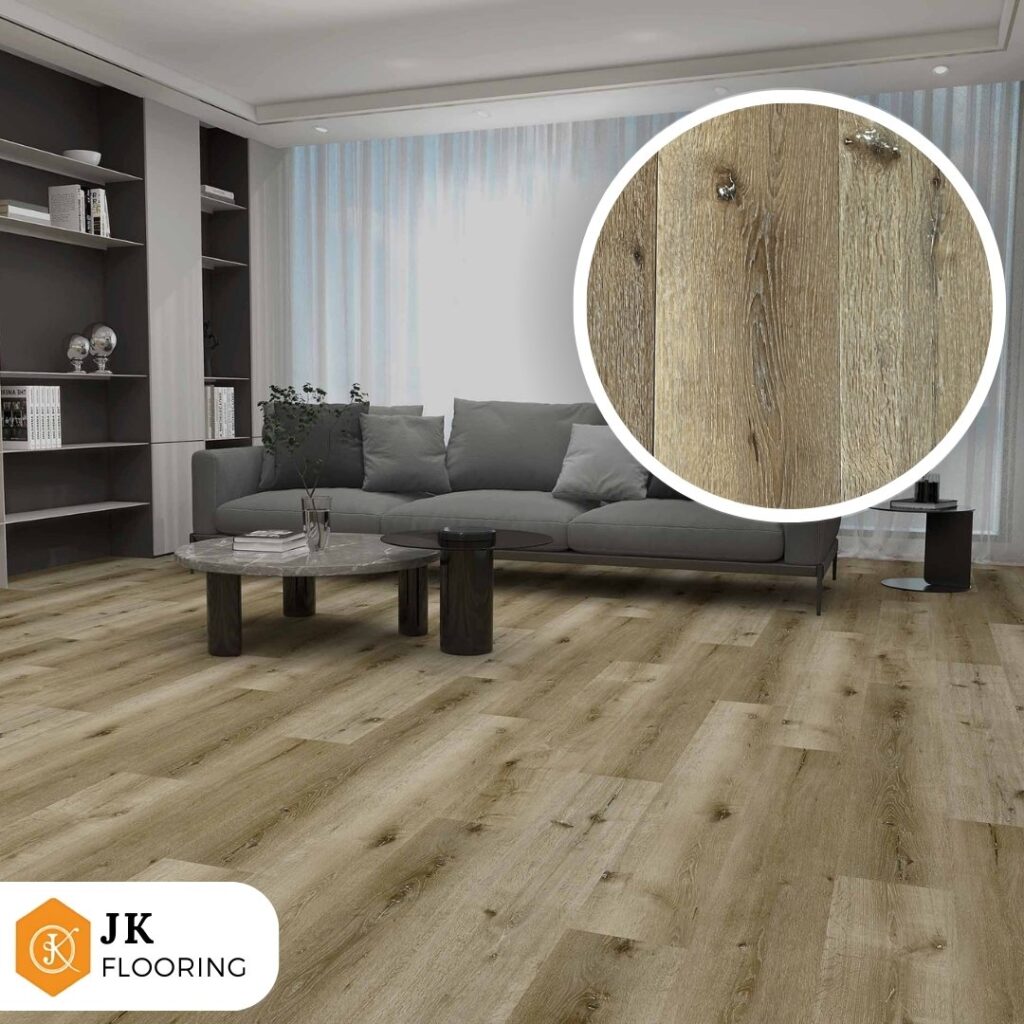
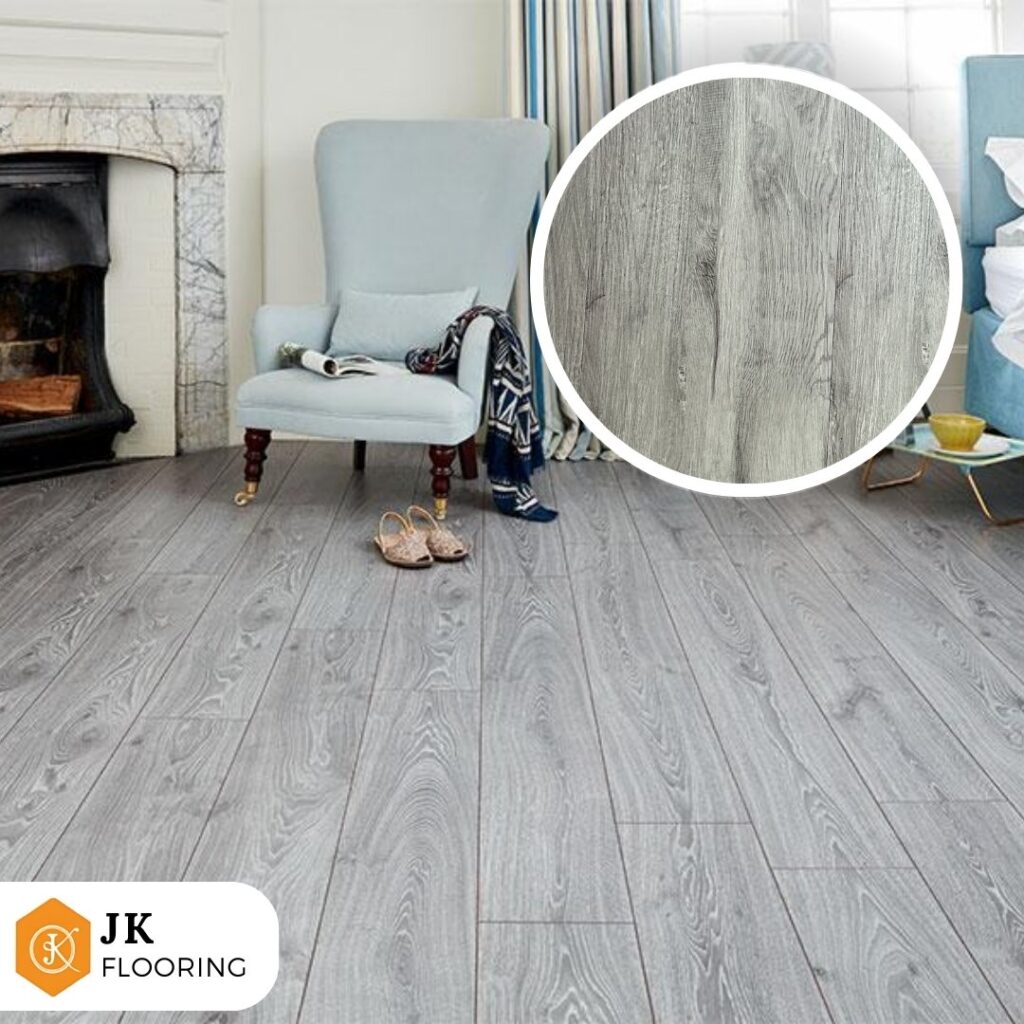
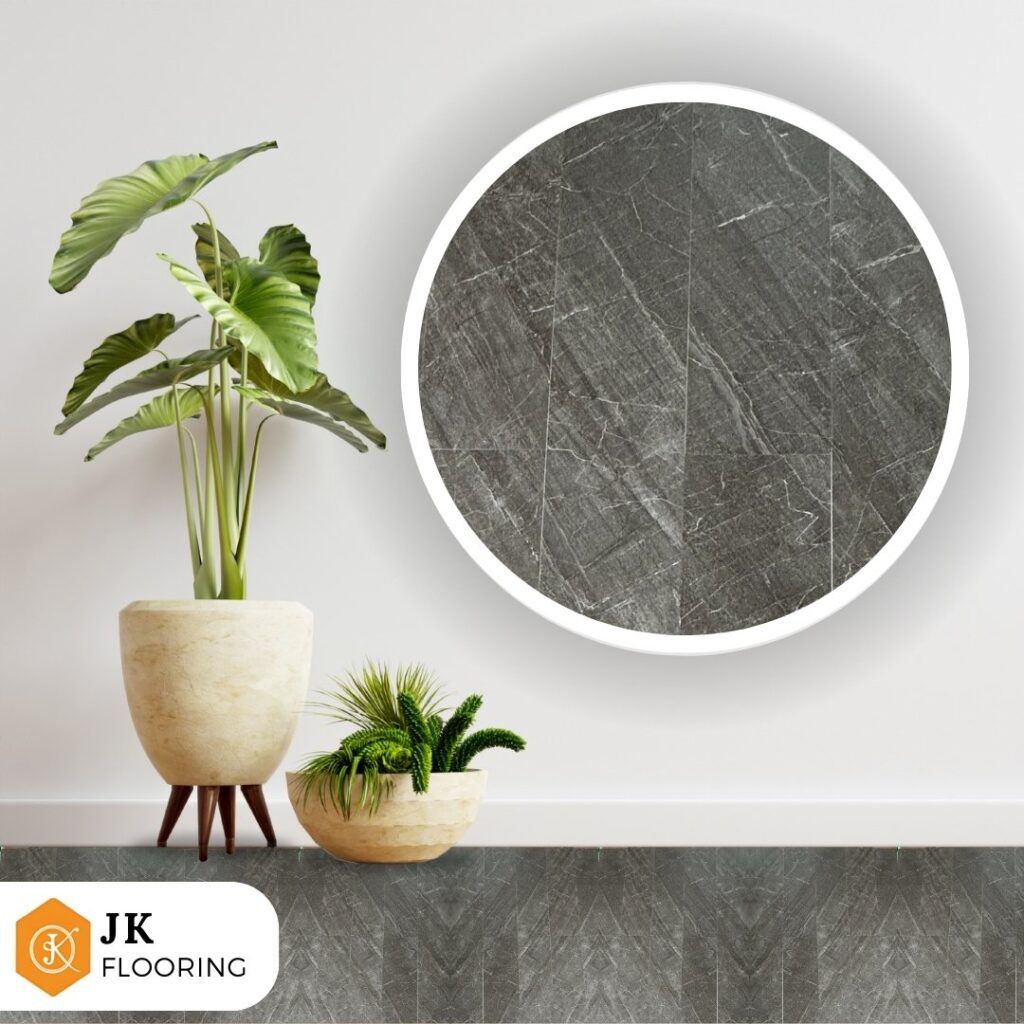
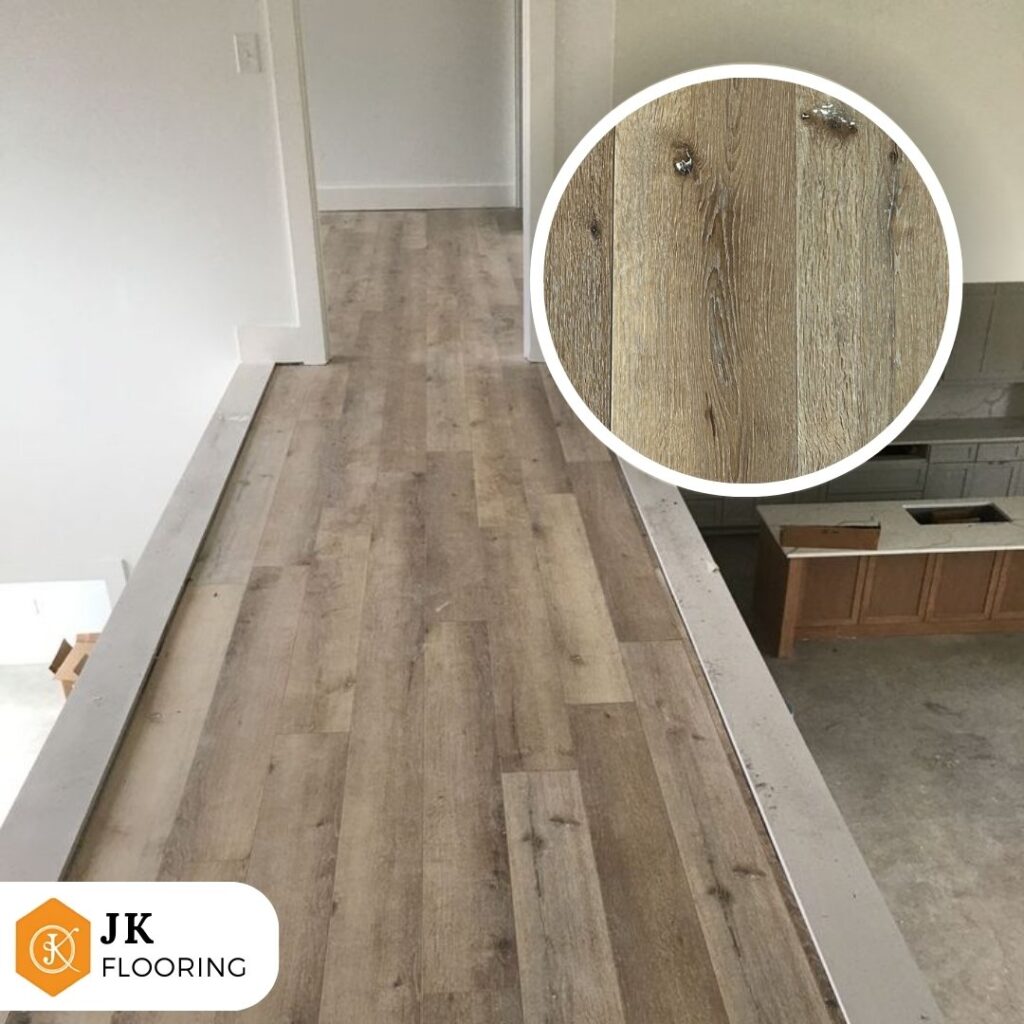
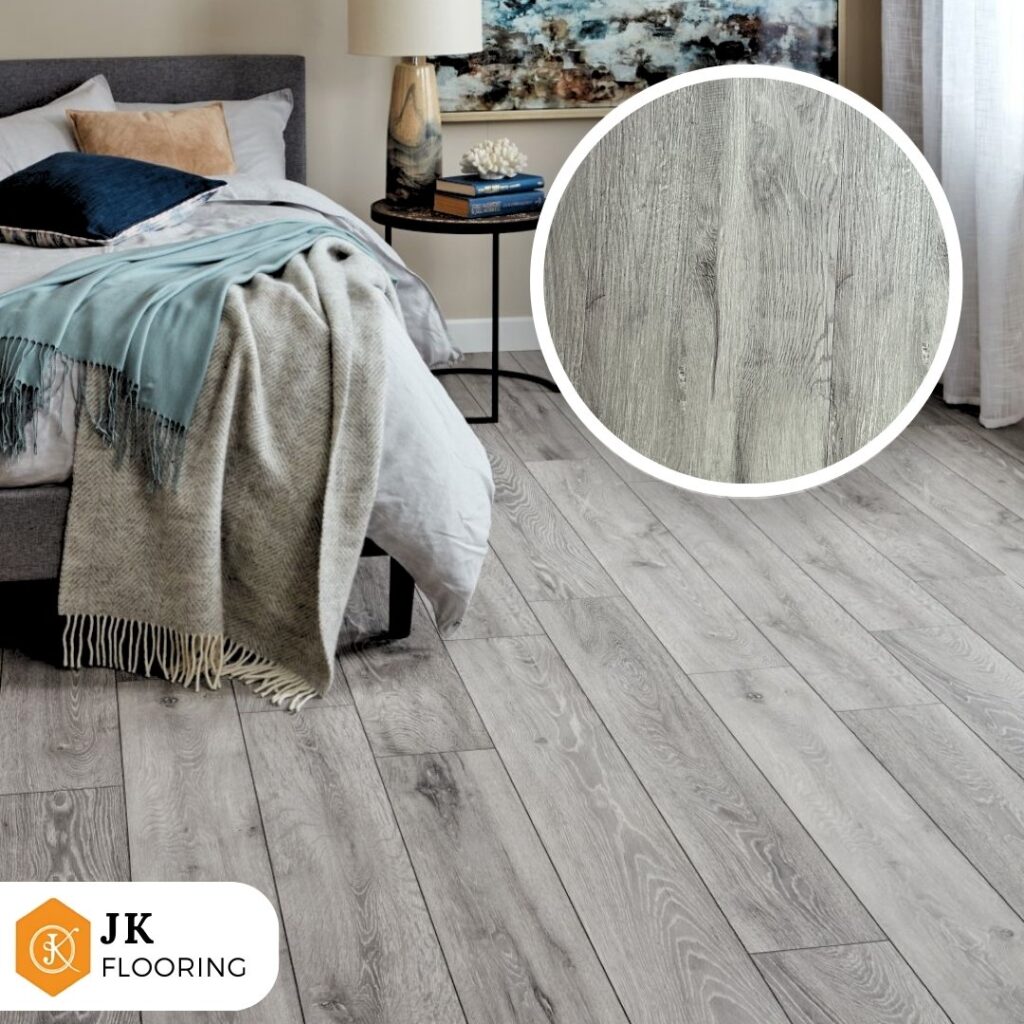
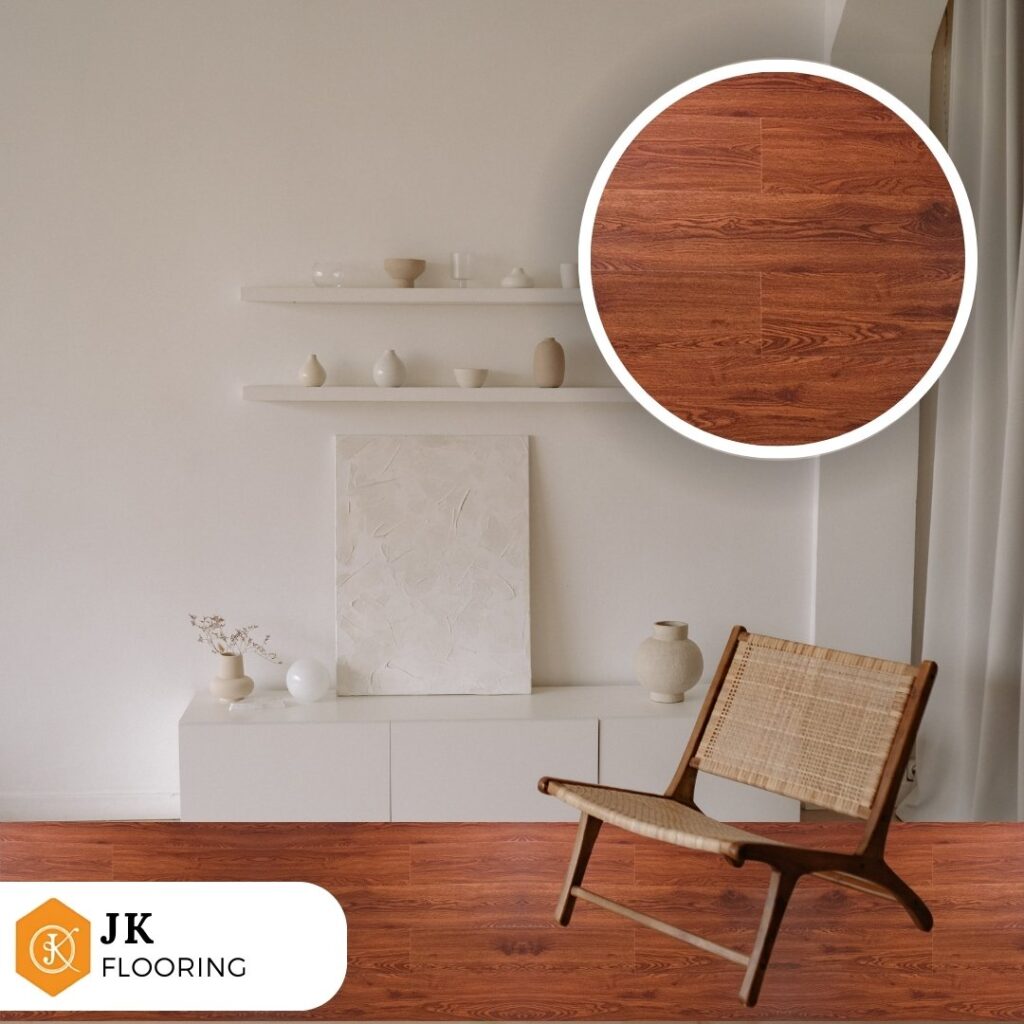
JK SPC flooring is also gaining popularity due to its realistic wood and stone textures, providing an elegant and natural look without the maintenance concerns of real wood or tile. Additionally, it is an eco-friendly option, often made from non-toxic materials and featuring low volatile organic compound (VOC) emissions, contributing to healthier indoor air quality.
Composition of JK SPC Flooring
SPC flooring is a type of rigid core flooring that consists of multiple layers, each serving a specific purpose to enhance the overall performance of the flooring material. The primary layers of SPC flooring include:
- Wear Layer – The topmost layer, made of transparent UV-coated material, protects against scratches, stains, and general wear and tear. This layer ensures the durability of the flooring by preventing daily damage and extending its lifespan.
- Vinyl Layer – This layer features high-definition decorative patterns that mimic the appearance of natural materials such as wood, stone, or tile. It is made of high-quality printed vinyl film, providing a realistic aesthetic appeal.
- SPC Core Layer – The core is the most critical part of SPC flooring, composed of a blend of limestone powder, polyvinyl chloride (PVC), and stabilizers. This unique composition makes the core highly dense and rigid, offering exceptional durability, waterproof properties, and dimensional stability. The presence of limestone provides strength and resilience, ensuring the flooring does not expand or contract under temperature and humidity changes.
- Backing Layer – This layer provides additional support and sometimes includes an attached underlayment made of IXPE (Irradiated Cross-Linked Polyethylene) or EVA (Ethylene Vinyl Acetate) foam. The underlayment enhances comfort, sound absorption, and overall foot feel, making SPC flooring a quieter and more comfortable option compared to traditional flooring materials.
Benefits of JK SPC Flooring
JK SPC flooring offers numerous advantages that make it a preferred choice for homeowners and businesses. Some of the most notable benefits include:
1. Durability and Strength
JK SPC flooring is known for its robust construction, making it resistant to impacts, dents, and scratches. It is ideal for high-traffic areas such as commercial spaces, offices, and homes with pets and children.
2. Water Resistance
Unlike traditional wood flooring, SPC flooring is 100% waterproof, making it suitable for moisture-prone areas like bathrooms, kitchens, and basements.
3. Easy Installation
Most SPC flooring options come with a click-lock system, allowing for hassle-free installation without the need for adhesives or professional assistance.
4. Low Maintenance
JK SPC flooring requires minimal upkeep. Regular sweeping and occasional mopping are sufficient to keep it clean and in good condition.
5. Comfort and Sound Absorption
Despite its rigid core, SPC flooring often features an attached underlayment that provides cushioning and noise reduction, enhancing comfort.
6. Eco-Friendly and Safe
SPC flooring is free from harmful chemicals such as formaldehyde, making it a safer option for indoor air quality.
For more information about JK interior and exterior design you can visit : click here
Installation Process of JK SPC Flooring
Installing SPC flooring is a straightforward process that can be done by professionals or DIY enthusiasts. Here are the detailed steps involved in the installation:
1. Prepare the Subfloor
Before installing SPC flooring, ensure that the subfloor is clean, dry, and level. Any debris, dust, or irregularities should be removed or corrected to avoid installation issues. If the subfloor has major unevenness, leveling compounds may be required.
2. Acclimate the Flooring
SPC flooring should be acclimated to the room temperature and humidity for at least 24-48 hours before installation. This step ensures that the flooring adapts to the environment and prevents expansion or contraction post-installation.
3. Gather Required Tools
Having the right tools will make the installation process smooth. Some essential tools include:
- Tape measure
- Utility knife
- Spacers
- Rubber mallet
- Leveling tool
- Pry bar (for removing baseboards if necessary)
- Underlayment (if not pre-attached to the SPC planks)
4. Install the Underlayment (If Required)
While some SPC flooring products come with an attached underlayment, others may require a separate underlayment to enhance soundproofing and comfort. If needed, roll out the underlayment and secure it before laying the flooring planks.
5. Plan the Layout
Before laying the planks, plan the flooring layout to ensure a balanced and professional appearance. This step involves measuring the room and determining the best way to stagger the planks for a natural look.
6. Begin Installation
Start installing the planks from one corner of the room, ideally along the longest wall. The click-lock system makes installation easy:
- Position the first plank against the wall, using spacers to maintain an expansion gap (usually 1/4 inch) around the perimeter.
- Attach the next plank by angling it and locking it into place with the previous plank.
- Continue this process, ensuring each row is properly aligned and tightly locked.
- Use a rubber mallet to gently tap the planks and secure the joints.
7. Cutting and Fitting
When you reach the end of a row, you will likely need to cut a plank to fit. Measure the required length and use a utility knife or a saw to make a precise cut. Save excess pieces for starting new rows.
8. Finishing Touches
Once all planks are installed:
- Remove the spacers.
- Install baseboards or quarter-round moldings to cover expansion gaps.
- Use transition strips if SPC flooring meets a different flooring type in adjacent rooms.
Maintenance and Care
To maximize the lifespan of SPC flooring, proper maintenance is essential. Here are some detailed maintenance and care guidelines:
Regular Cleaning
- Sweeping & Vacuuming: Dust, dirt, and debris can accumulate on the surface, leading to scratches over time. Regular sweeping or vacuuming with a soft brush attachment helps keep the floor clean.
- Damp Mopping: Use a damp (not soaking wet) mop with a mild pH-neutral cleaner to remove stains and spills. Avoid excessive water as standing moisture may damage the edges and seams.
- Microfiber Mop: A microfiber mop is ideal for capturing fine dust particles and ensuring a streak-free finish.
Preventative Measures
- Use Doormats: Placing doormats at entrances helps prevent dirt and grit from being tracked onto the floor, reducing the risk of scratches.
- Furniture Pads: Attach felt or rubber pads to the bottom of furniture legs to prevent indentations and scratches when moving them.
- Avoid High Heels & Sharp Objects: High heels and sharp objects can dent the floor, so encourage guests to remove shoes when indoors.
- Protective Rugs & Mats: Use area rugs in high-traffic zones to provide additional protection.
Handling Spills & Stains
- Immediate Cleanup: Wipe up spills as soon as they occur to prevent potential discoloration or damage.
- Mild Detergents: For tougher stains, use a diluted solution of mild dish soap and warm water.
- Avoid Harsh Chemicals: Stay away from abrasive cleaners, ammonia-based solutions, or waxes that can damage the floor’s protective layer.
Long-Term Maintenance
- Reapply Protective Coating: If the wear layer starts to diminish over time, consult the manufacturer about reapplying a protective coating.
- Avoid Dragging Heavy Objects: When moving furniture or appliances, lift rather than drag them to avoid damaging the floor.
- Temperature Control: Maintain stable indoor temperatures, as extreme heat or cold may affect the expansion and contraction of the flooring.
Comparison with Other Flooring Types
JK SPC flooring is often compared with other flooring materials such as Luxury Vinyl Tile (LVT), Wood, and Laminate. Below is a detailed comparison:
JK SPC vs. LVT Flooring
- Core Composition: SPC has a rigid stone-plastic composite core, whereas LVT has a flexible PVC core, making SPC more stable and durable.
- Durability: SPC is more resistant to impacts and dents due to its dense core, while LVT is softer and more prone to damage.
- Water Resistance: Both flooring types are waterproof, but SPC is better suited for extreme humidity and temperature variations.
- Installation: SPC flooring features an easy click-lock system, whereas LVT may require glue-down installation in some cases.
JK SPC vs. Laminate Flooring
- Water Resistance: SPC is 100% waterproof, while laminate flooring is susceptible to water damage.
- Durability: SPC is more impact-resistant and stable under varying temperatures, whereas laminate may expand or contract with humidity.
- Installation: Both flooring types use a click-lock system, but SPC provides better stability due to its rigid core.
- Maintenance: SPC requires minimal maintenance and can withstand high moisture levels, unlike laminate flooring, which needs careful handling around water-prone areas.
JK SPC vs. Hardwood Flooring
- Cost: SPC flooring is a more cost-effective alternative to natural hardwood flooring, offering a similar aesthetic without the high price.
- Durability: SPC is resistant to scratches, dents, and moisture, whereas hardwood is prone to water damage and requires frequent refinishing.
- Maintenance: SPC flooring is easier to maintain, requiring simple sweeping and mopping, while hardwood needs polishing and occasional refinishing.
- Installation: SPC flooring comes with an easy installation system, whereas hardwood often requires professional installation with nails or adhesives.
Frequently Asked Questions (FAQs)
1. Is SPC flooring better than laminate?
Yes, SPC flooring is more durable, completely waterproof, and resistant to temperature changes, making it a superior choice over laminate in many situations.
2. Can SPC flooring be installed over existing tiles?
Yes, SPC flooring can be installed over existing tiles as long as the surface is even, clean, and dry. Its rigid core makes it adaptable to different subfloors.
3. Is SPC flooring suitable for outdoor use?
No, SPC flooring is not recommended for outdoor use as direct sunlight and extreme weather conditions may cause fading and deterioration.
4. How long does SPC flooring last?
With proper maintenance, SPC flooring can last 20-30 years, making it a long-term investment for homeowners and businesses.
5. Does SPC flooring require an underlayment?
Many SPC flooring options come with pre-attached underlayment. If not included, adding an underlayment can improve comfort and sound insulation.
6. Can SPC flooring be used with underfloor heating?
Yes, SPC flooring is compatible with underfloor heating, but it is important to follow the manufacturer’s guidelines regarding temperature limits.
7. How does SPC flooring compare to WPC flooring?
SPC flooring has a denser core, making it more durable and impact-resistant than WPC (Wood Plastic Composite) flooring. However, WPC offers slightly better comfort underfoot.
8. Is SPC flooring pet-friendly?
Yes, SPC flooring is highly resistant to scratches, water damage, and stains, making it an excellent choice for homes with pets.
9. What is the cost of SPC flooring?
The cost varies depending on quality, brand, and thickness, but it is generally more affordable than hardwood and high-end laminate flooring.
10. Can SPC flooring be repaired if damaged?
Minor scratches can be repaired using wax or fillers, but severely damaged planks may need replacement. Since it uses a click-lock system, replacing a single plank is relatively easy.
Conclusion
SPC flooring has revolutionized the flooring industry with its superior durability, water resistance, and aesthetic appeal. As a highly resilient and practical flooring option, it combines the best features of luxury vinyl and rigid core technology, making it a go-to choice for both residential and commercial applications. Its ability to withstand heavy foot traffic, resist moisture, and provide comfort makes it stand out among traditional flooring materials. Furthermore, the ease of installation and low maintenance requirements make it an attractive option for homeowners and businesses alike.
From a cost perspective, SPC flooring provides a high-end look at a fraction of the price of hardwood or stone. Its eco-friendly composition, free from harmful substances, also aligns with the growing demand for sustainable building materials. Whether used in homes, offices, or retail spaces, SPC flooring offers a long-lasting, stylish, and functional flooring solution that meets the needs of modern consumers.
As the flooring industry continues to evolve, SPC flooring remains at the forefront due to its innovative design and superior performance. Its blend of practicality, aesthetics, and affordability ensures its place as a preferred flooring choice for years to come.