Gardening Item Design:
Introduction
Gardening is both an art and a science that involves cultivating plants, maintaining outdoor spaces, and creating aesthetically pleasing environments. A significant aspect of gardening lies in the tools and items designed to aid in the process. Gardening item design is a crucial field that integrates functionality, durability, aesthetics, and sustainability to enhance the gardening experience. Whether it is a simple hand trowel, a sophisticated greenhouse, or an automated irrigation system, the design of gardening items plays a pivotal role in the efficiency and enjoyment of gardening activities.
Importance of JK Gardening Item Design
The design of gardening items is fundamental to ensuring ease of use, efficiency, and durability. Well-designed tools reduce physical strain on gardeners, increase productivity, and contribute to the longevity of plants and garden spaces. Moreover, as gardening continues to evolve with technological advancements, ergonomic and sustainable designs are becoming increasingly essential.
Categories of JK Gardening Items
JK Gardening items can be broadly categorized into several groups based on their function:
Decorative and Functional Accessories – Includes garden furniture, lighting, stepping stones, and sculptures that enhance the garden’s aesthetic appeal.
Hand Tools – Includes trowels, pruners, shears, and rakes, which are essential for planting, pruning, and maintaining plants.
Power Tools – Includes lawnmowers, hedge trimmers, and chainsaws, which are necessary for maintaining larger garden spaces efficiently.
Irrigation Systems – Includes sprinklers, drip irrigation, and watering cans, which help in maintaining appropriate moisture levels in the garden.
Plant Containers and Structures – Includes pots, raised beds, greenhouses, and trellises that provide appropriate spaces for plant growth.
Principles of Gardening Item Design
Several fundamental principles guide the design of effective gardening items:
1. Ergonomics
Gardening involves a variety of physical activities such as digging, bending, lifting, and pruning. Tools designed with ergonomics in mind help reduce strain on muscles and joints, preventing injuries and enhancing comfort. Features such as cushioned handles, lightweight materials, and adjustable lengths contribute to ease of use.
2. Material Selection
The choice of materials impacts the durability and effectiveness of gardening items. Common materials used in gardening tools include:
- Stainless Steel: Resistant to rust and corrosion, making it ideal for tools like trowels and shears.
- Aluminum: Lightweight and rust-resistant, often used for hand tools and irrigation equipment.
- Plastic and Composite Materials: Used in watering cans, pots, and decorative elements due to their lightweight and versatile properties.
- Wood: Commonly used in handles for hand tools, raised garden beds, and fences due to its natural aesthetic appeal.
3. Aesthetic and Functional Balance
Gardening items should not only be functional but also visually appealing. For instance, decorative planters come in various colors, patterns, and textures to complement garden themes. Well-designed garden furniture blends aesthetics with comfort, ensuring a visually pleasing outdoor space.
4. Sustainability and Eco-friendliness
With increasing awareness of environmental impact, gardening item design has shifted towards sustainable practices. Some aspects of eco-friendly design include:
- Use of Recycled and Biodegradable Materials: Products made from recycled plastics or biodegradable composites reduce waste and pollution.
- Water-efficient Irrigation Systems: Drip irrigation and rainwater harvesting tools minimize water waste.
- Solar-powered Garden Accessories: Lights and water features powered by solar energy reduce dependency on electricity.
5. Innovative Technology Integration
Modern gardening tools incorporate advanced technology to improve efficiency and convenience. Some notable innovations include:
- Smart Irrigation Systems: These use sensors to determine soil moisture levels and automatically adjust watering schedules.
- Robotic Lawn Mowers: These automate lawn maintenance, saving time and effort.
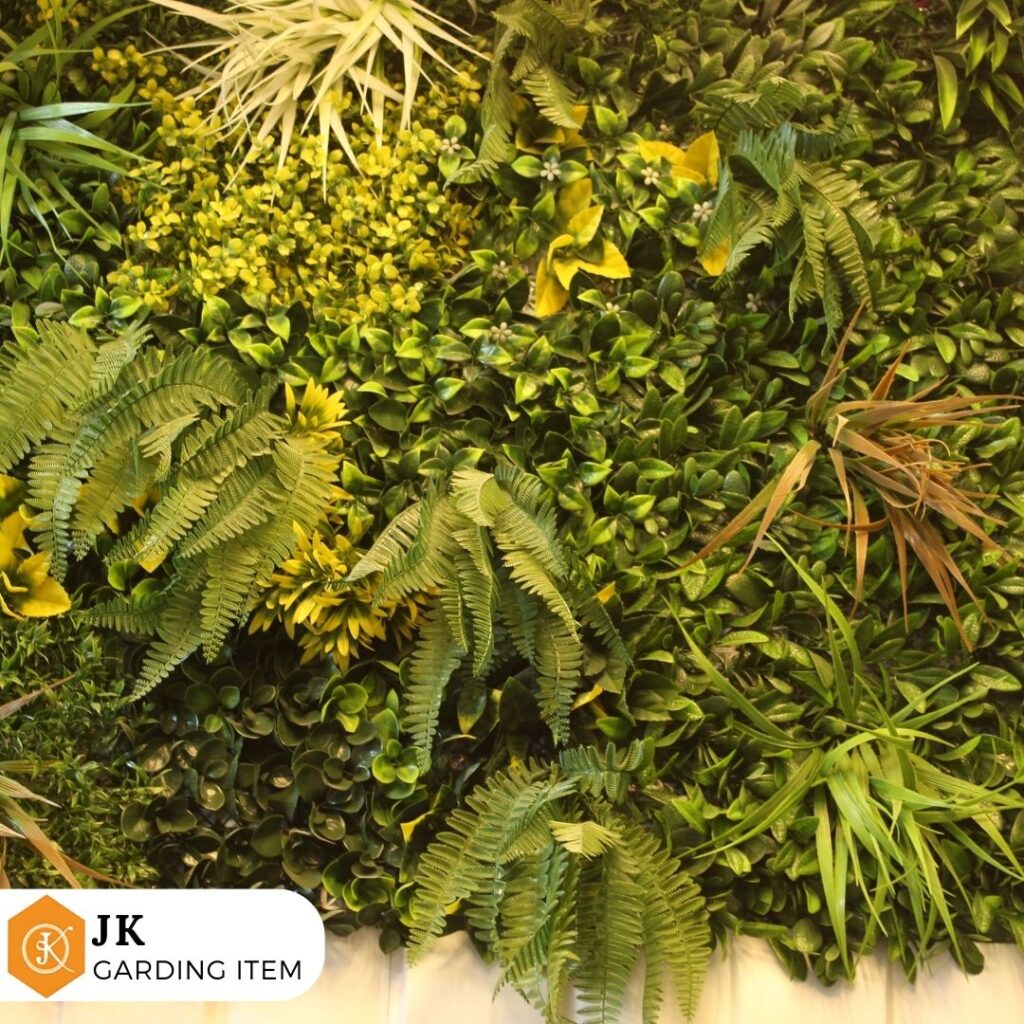
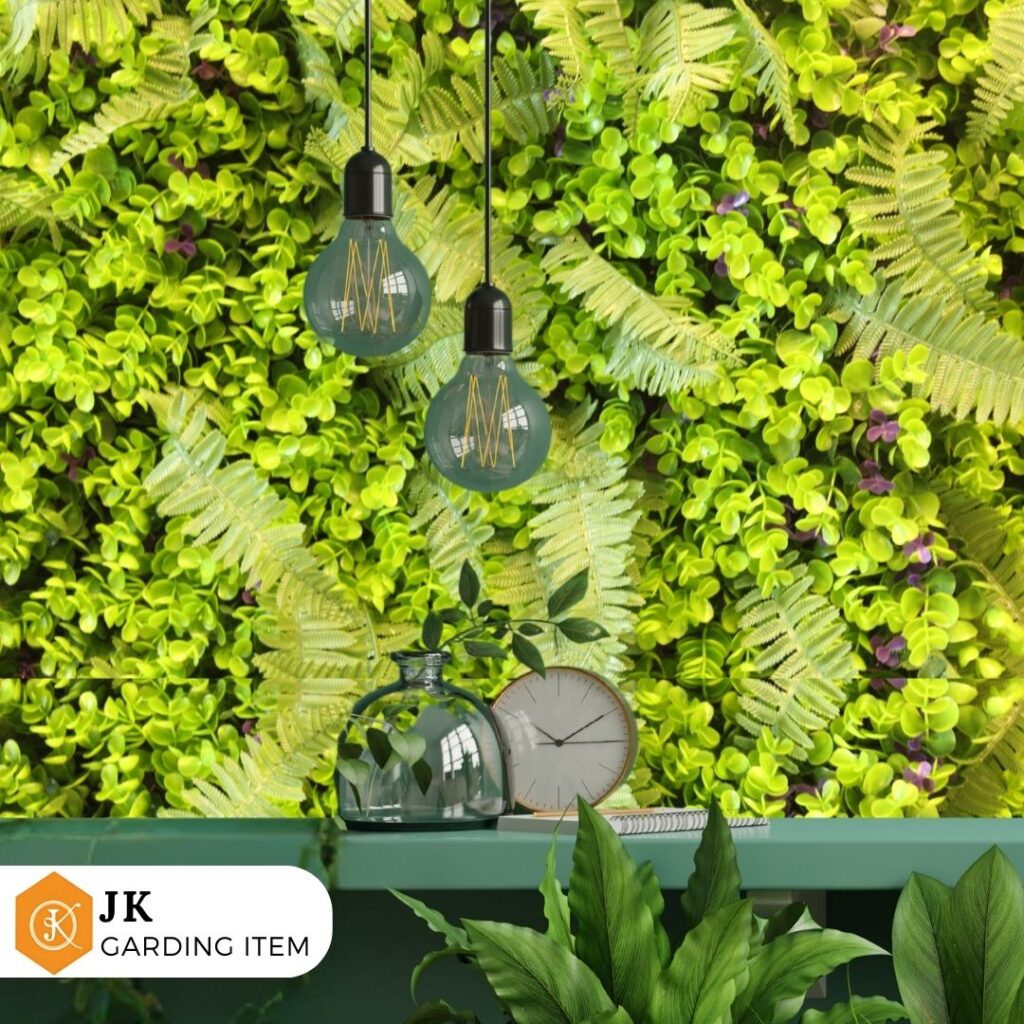
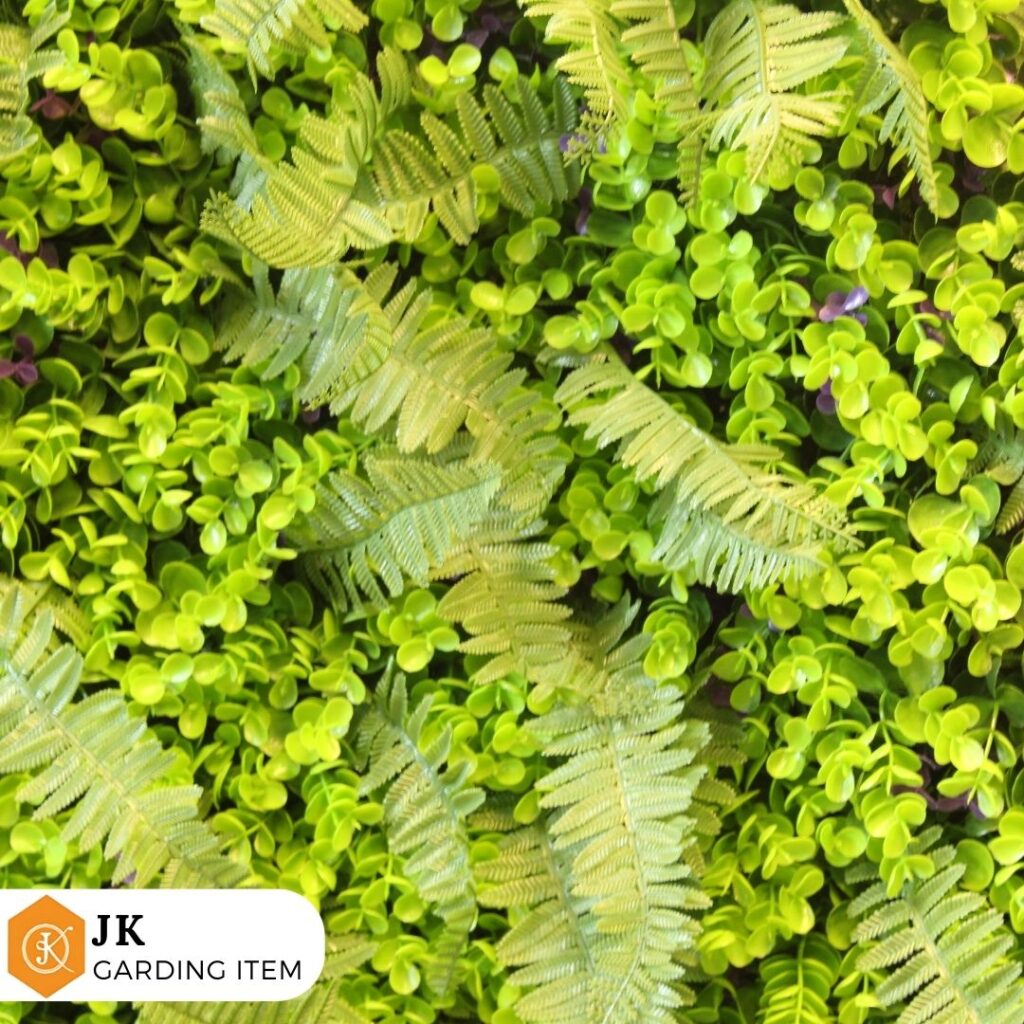
- Vertical Gardening Solutions: Space-saving designs allow urban gardeners to grow plants efficiently in limited areas.
For more information about JK Interior and Exterior items you can visit : click here
Designing Specific Gardening Items
Each gardening item requires unique design considerations to optimize its performance. Below are some examples:
1. Garden Hand Tools (Trowels, Pruners, Weeders)
- Handle Design: Should have an ergonomic grip with a non-slip surface.
- Blade Material: Stainless steel or carbon steel for durability and rust resistance.
- Size and Weight: Should be balanced to prevent fatigue.
2. Watering Equipment (Cans, Hoses, Sprinklers)
- Nozzle Control: Adjustable spray settings for different watering needs.
- Material Durability: UV-resistant plastic or rubber to prevent cracking.
- Hose Flexibility: Should be kink-resistant for ease of use.
3. Garden Planters and Raised Beds
- Material: Options include ceramic, terracotta, plastic, or wood, each affecting durability and water retention.
- Drainage: Proper drainage holes are crucial to prevent root rot.
- Portability: Some designs include wheels for easy movement.
4. Garden Furniture (Benches, Tables, Swings)
Aesthetic Appeal: Should complement the garden theme.
Weather Resistance: Should be made of treated wood, metal, or all-weather wicker.
Comfort Features: Cushions and ergonomic designs improve usability.
Challenges in Gardening Item Design
Despite the advancements in gardening item design, several challenges remain:
- Balancing Cost and Quality: High-quality materials and ergonomic designs often increase costs, making affordability a challenge.
- Sustainability vs. Durability: Some eco-friendly materials lack the longevity of traditional materials.
- Customization and Personalization: Creating designs that cater to diverse gardening styles and preferences requires innovative solutions.
- Technological Adaptation: While smart gardening tools are promising, they require integration with existing gardening habits and systems.
Future Trends in Gardening Item Design
The future of gardening item design is likely to be influenced by several emerging trends:
- Increased Use of Smart Technology: Automated irrigation, AI-powered plant care assistants, and app-controlled gardening devices are expected to become more popular.
- More Sustainable Materials: Biodegradable pots, compostable garden bags, and plant-based plastics will see greater adoption.
- Compact and Modular Designs: With the rise of urban gardening, compact and multi-functional tools will become essential.
- Artistic and Cultural Influences: Garden decor and items will reflect diverse artistic inspirations, integrating local craftsmanship and cultural aesthetics.
FAQs about Gardening Item Design
1. What factors should be considered when choosing gardening tools?
Choosing gardening tools involves considering ergonomics, durability, material quality, ease of use, and suitability for specific gardening tasks.
2. How can I ensure my gardening tools last longer?
Proper maintenance, such as cleaning after use, storing in dry places, and applying rust-resistant coatings, helps prolong the lifespan of gardening tools.
3. What are some eco-friendly gardening items available?
Eco-friendly gardening items include biodegradable pots, compost bins, solar-powered lights, and water-efficient irrigation systems.
4. How do smart gardening tools improve efficiency?
Smart tools like automated irrigation systems and robotic lawn mowers reduce manual labor and optimize plant care with minimal intervention.
5. What are the best materials for long-lasting gardening tools?
Stainless steel, aluminum, and treated wood are some of the best materials for durable gardening tools, as they resist corrosion and wear.
Challenges in Gardening Item Design
Despite the advancements in gardening item design, several challenges remain:
- Balancing Cost and Quality: High-quality materials and ergonomic designs often increase costs, making affordability a challenge.
- Sustainability vs. Durability: Some eco-friendly materials lack the longevity of traditional materials.
- Customization and Personalization: Creating designs that cater to diverse gardening styles and preferences requires innovative solutions.
- Technological Adaptation: While smart gardening tools are promising, they require integration with existing gardening habits and systems.
Future Trends in JK Gardening Item Design
The future of gardening item design is likely to be influenced by several emerging trends:
- Increased Use of Smart Technology: Automated irrigation, AI-powered plant care assistants, and app-controlled gardening devices are expected to become more popular.
- More Sustainable Materials: Biodegradable pots, compostable garden bags, and plant-based plastics will see greater adoption.
- Compact and Modular Designs: With the rise of urban gardening, compact and multi-functional tools will become essential.
- Artistic and Cultural Influences: Garden decor and items will reflect diverse artistic inspirations, integrating local craftsmanship and cultural aesthetics.
Conclusion
Gardening item design is a crucial aspect of modern gardening, ensuring efficiency, sustainability, and aesthetic appeal. By integrating ergonomics, durable materials, and innovative technology, designers continue to enhance the functionality and experience of gardening. The industry is rapidly evolving, with a strong emphasis on eco-friendly and smart solutions, making gardening more accessible and enjoyable for people worldwide. As trends continue to shift toward sustainability and technological integration, the future of gardening items looks promising, offering exciting possibilities for gardeners of all skill levels. By embracing innovation and thoughtful design, gardening will continue to be a fulfilling and rewarding activity for generations to come.